Strategy, creative and execution, all in house.

See pricing →

Every channel, one team, weekly results.

See pricing →

Work that ships weekly and looks like you.

See pricing →

Every channel, one team, weekly results.

See pricing →

Different buildings. Same obsession with leases.

See pricing →

Different buildings. Same obsession with leases.

Pricing and packages →

Different products. Same obsession with pipeline.

All SaaS and technology work →

Different trades. Same obsession with booked jobs.

All home services work →

Different practices. Same obsession with signed clients.

All professional services work →
Thank you! Your submission has been received!
Oops! Something went wrong while submitting the form.

Renderings

Commercial real estate virtual tours, and when a rendering does the touring

Scan tours, rendered tours and video compared for offices, retail and industrial space, with a plain rule for which one to buy when the space is finished, raw or still on paper.

Commercial real estate virtual tours, and when a rendering does the touring

In this post

  1. toc

A tenant rep is stuck in an airport lounge with a delayed flight, a laptop and three buildings to tour before her client's call in the morning. She hasn't stood in any of them, so tonight she'll judge all three through commercial real estate virtual tours.

The first link opens a walkable scan of a finished suite. The second opens a scan of a raw floor with exposed ductwork and a ladder someone forgot. The third building is a slab with a sign on the fence, and its broker sent a PDF of floor plans with an apology in the email.

All three links were trying to do the same job, and only one of them could. The second suite needed furniture it didn't have, and the third needed a building.

Commercial real estate virtual tours shown as three cards on dark green, a pen drawn 360 camera on a tripod in an empty room, a rendered office lounge and a video frame of a glass office entrance with a play mark

What are commercial real estate virtual tours?

Commercial real estate virtual tours let a tenant, buyer or broker move through an office, retail or industrial space on a screen before visiting. Most are camera scans of space that already exists. Rendered tours are built from drawings, so they can show a suite or a building that hasn't been finished yet.

When people ask what a virtual tour in real estate is, they usually picture the scan. A camera on a tripod captures each room, software stitches the captures into a model, and the viewer clicks from spot to spot like a slow, polite ghost.

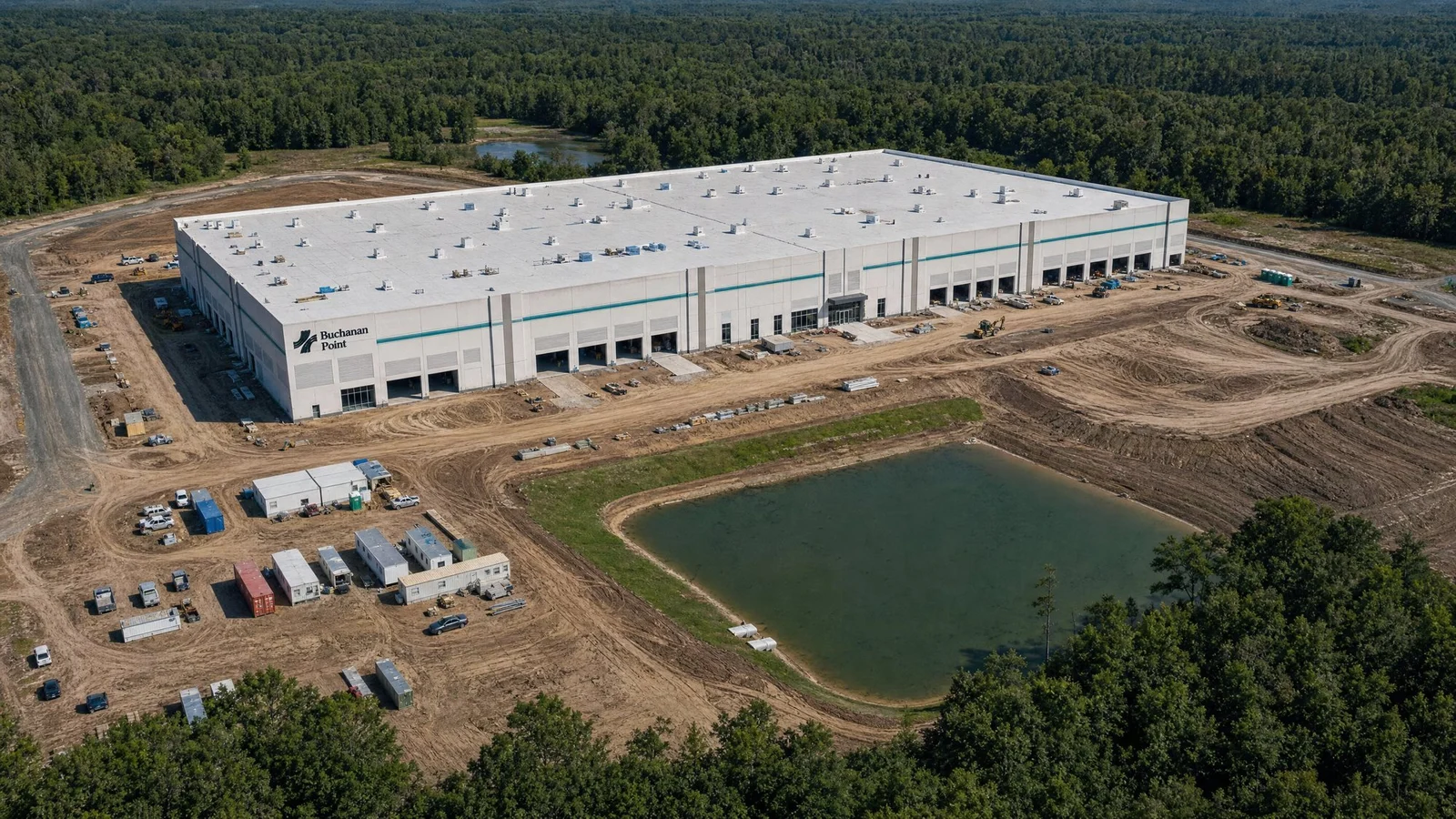
That definition leaves out the space that is hardest to lease. A shell floor, a retail box with a dirt floor and a warehouse that is still a graded pad all look worse scanned than described, and they're often the units with the most vacancy to fill.

Scan tour, rendered tour or video, a virtual tour head to head

Three formats get sold as a virtual tour, and they need very different things from the owner. The useful question is whether the space exists and whether it looks the way you want a tenant to remember it.

The scan tour

A scan tour is what most brokers mean. Matterport is the best known camera and platform, and Matterport scanning has become the default term for walking a captured space in 3D, with floor plans and measurements pulled from the same scan.

It's honest by design, which is the whole appeal and the whole risk. The camera records the stained ceiling tile with the same care as the view.

Buy this when the space is built out, clean and close to what the tenant will get, such as a second generation office suite or a furnished sublease.

The rendered tour

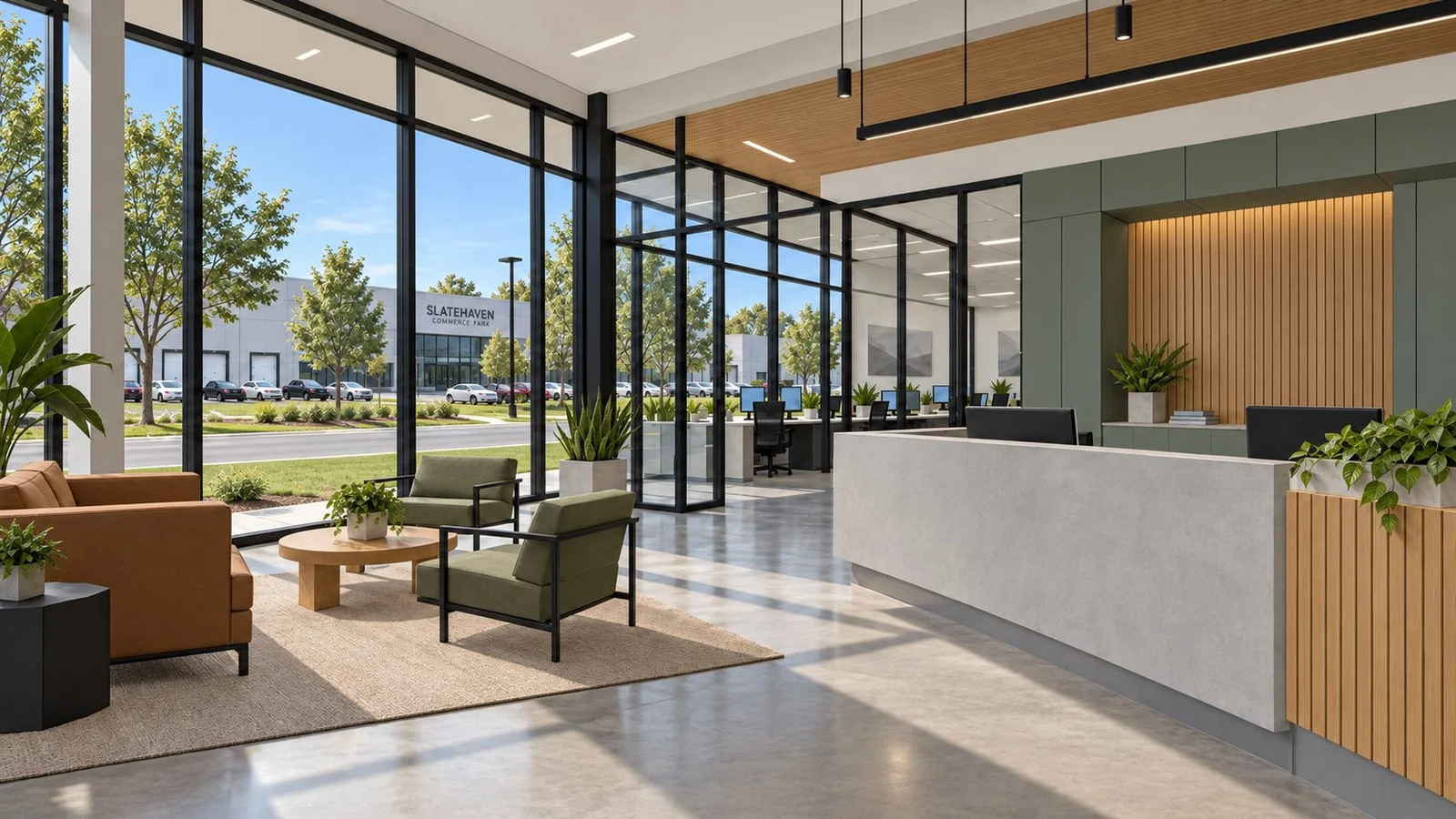
A rendered tour starts from drawings instead of a camera. The studio builds the space in 3D, furnishes and lights it, then renders 360 views or a walkable path. A 360 virtual tour rendering can sit on the same viewer a scan uses, so the tenant clicks through it the same way.

It shows what will be there, which is a promise. Keep it faithful to the drawings and the finish level in the lease, because a tenant who toured a rendered suite will compare it at move in.

Buy this when the space is a shell, the building is under construction or the finished suite will look nothing like today.

The video

Video is a guided tour with the broker holding the camera. It can be filmed in a finished building, flown with a drone or rendered as a flythrough from the model.

Tenants can't wander off in a video, which is a weakness on a large floor and a strength when you want them to see the lobby before the restrooms.

Buy this when the story is the arrival, the location and the amenities, and you want one link that works in an email, on LinkedIn and on a phone.

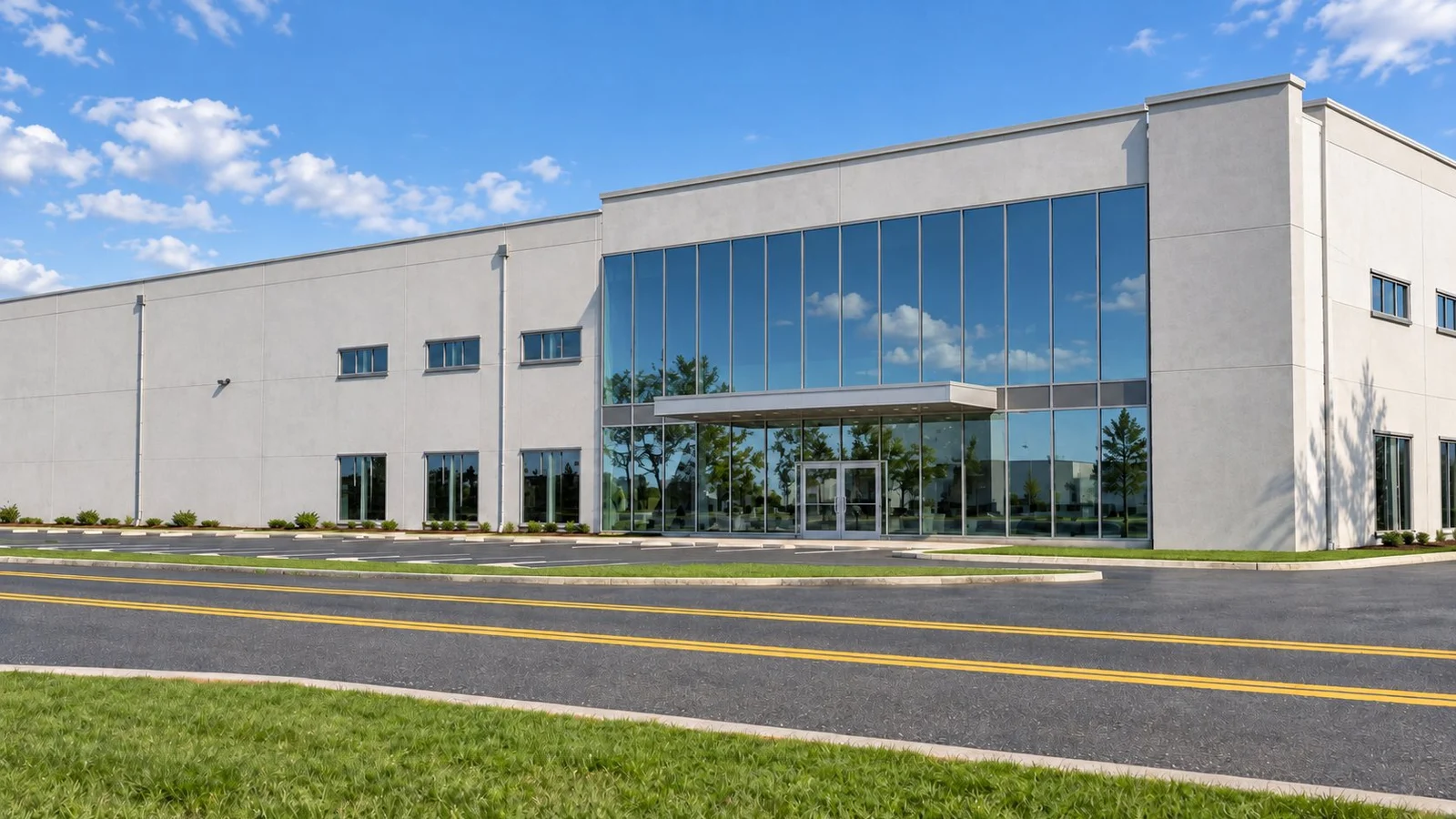
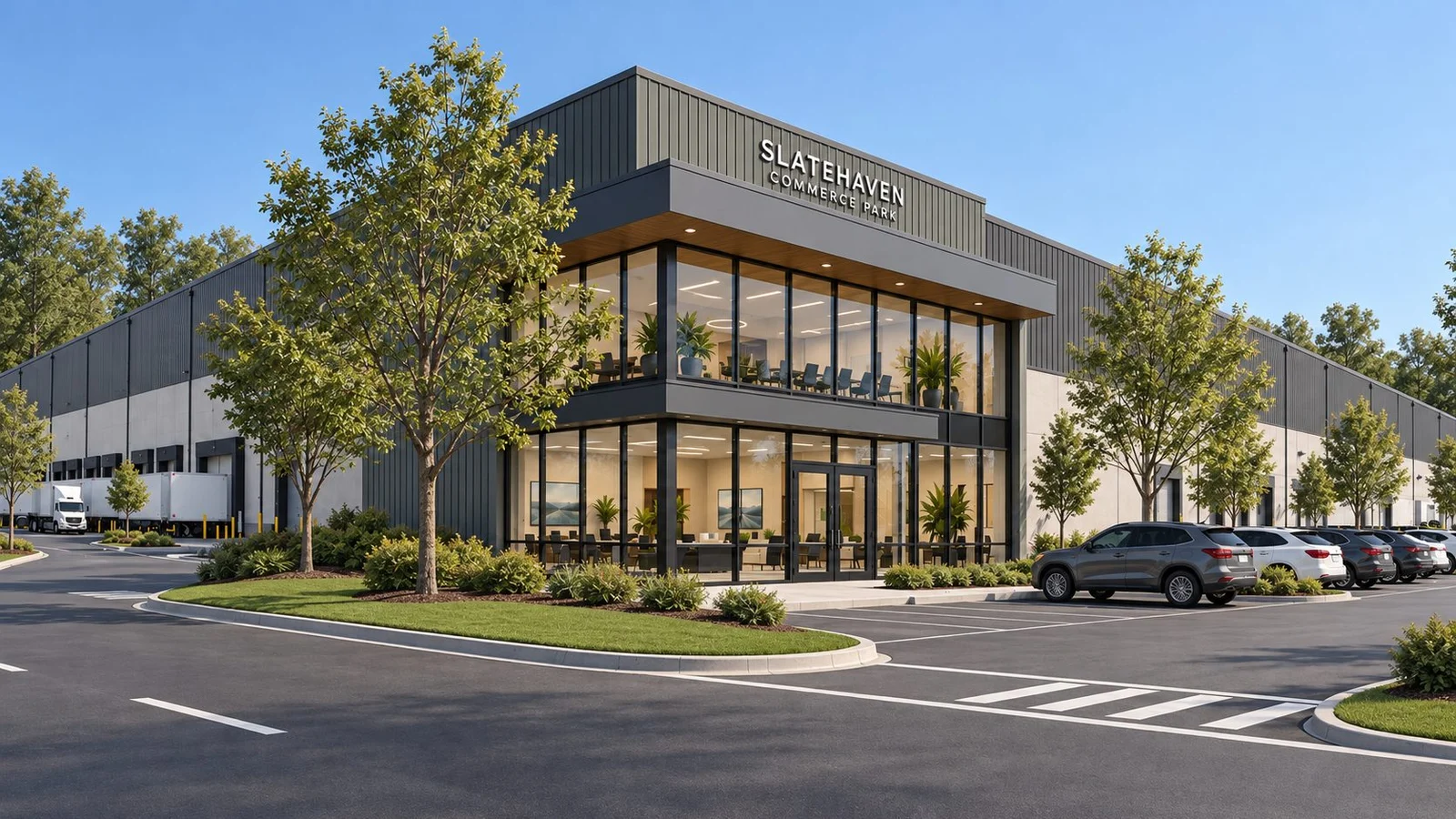
Scan tour, rendered tour and video compared in three columns, with an open plan office atrium rendering under the rendered tour and a glass office entrance under video
FormatWhat it needsWhat sets the priceBest forWeakness
Scan tourA finished, clean spaceSquare footage and number of scan pointsSecond generation suites, subleases, retail in placeShows every flaw the space has
Rendered tourDrawings and a 3D modelHow many rooms are modelled and furnishedShell space, spec suites, buildings under constructionHas to match what gets built
VideoA finished building, a drone flight or a modelLength, camera paths, editing and musicArrival, location, amenities, email and socialThe viewer can't explore on their own

The difference between a rendering and a virtual tour comes down to that first column. A tour records space and a rendering proposes it, and most leasing campaigns need both at different moments.

Trade You.

Your email for great content delivered to your inbox. Regularly. Unless we forget. Or get busy. But we'll try.

Thank you! Your submission has been received!
Oops! Something went wrong while submitting the form.

Do virtual tours help lease commercial space?

They help most after a tenant has a shortlist and before anyone books a flight. The benefits of virtual tours show up as fewer wasted showings, because a decision maker in another city can rule a space out from a laptop and save the whole team the walk.

The people deciding are often somewhere else. When we checked in November 2026, the Kastle Back to Work Barometer put the 10 city weekly office occupancy average at 56.5%, so on a typical day plenty of the executives signing leases are reviewing space from a home office.

Sublease space is the natural home of the scan. Cushman & Wakefield's October 2026 release put US office sublease inventory at 89 million square feet, its lowest since late 2020. Much of what's left is built out and furnished, which is exactly what a camera flatters.

A tour won't put a building on the shortlist, though. A tenant rep chooses which links to open from the listing photos and the first email, so the hero image still does the inviting and the tour does the qualifying.

The virtual tour stats that come from the people selling tours

Search for virtual tour statistics and you'll find confident percentages about leads, revenue and days on market. Trace most of them back and they lead to a company that sells tours, a residential survey, or a blog quoting another blog.

That doesn't make tours useless. It means the case for a virtual tour in commercial real estate is a judgment call about your space, your tenant and your deadline, and the honest version of that call fits on one page.

  • Office suites. Scan the finished second generation suites, render the shell floors and the spec suites before the contractor starts.
  • Retail. Scan an operating storefront, render a vacant box with the frontage, signage zone and sight lines a retailer will ask about.
  • Industrial. A scan of an empty warehouse mostly shows air, so lean on an aerial, a truck court view and a site plan with dock counts.
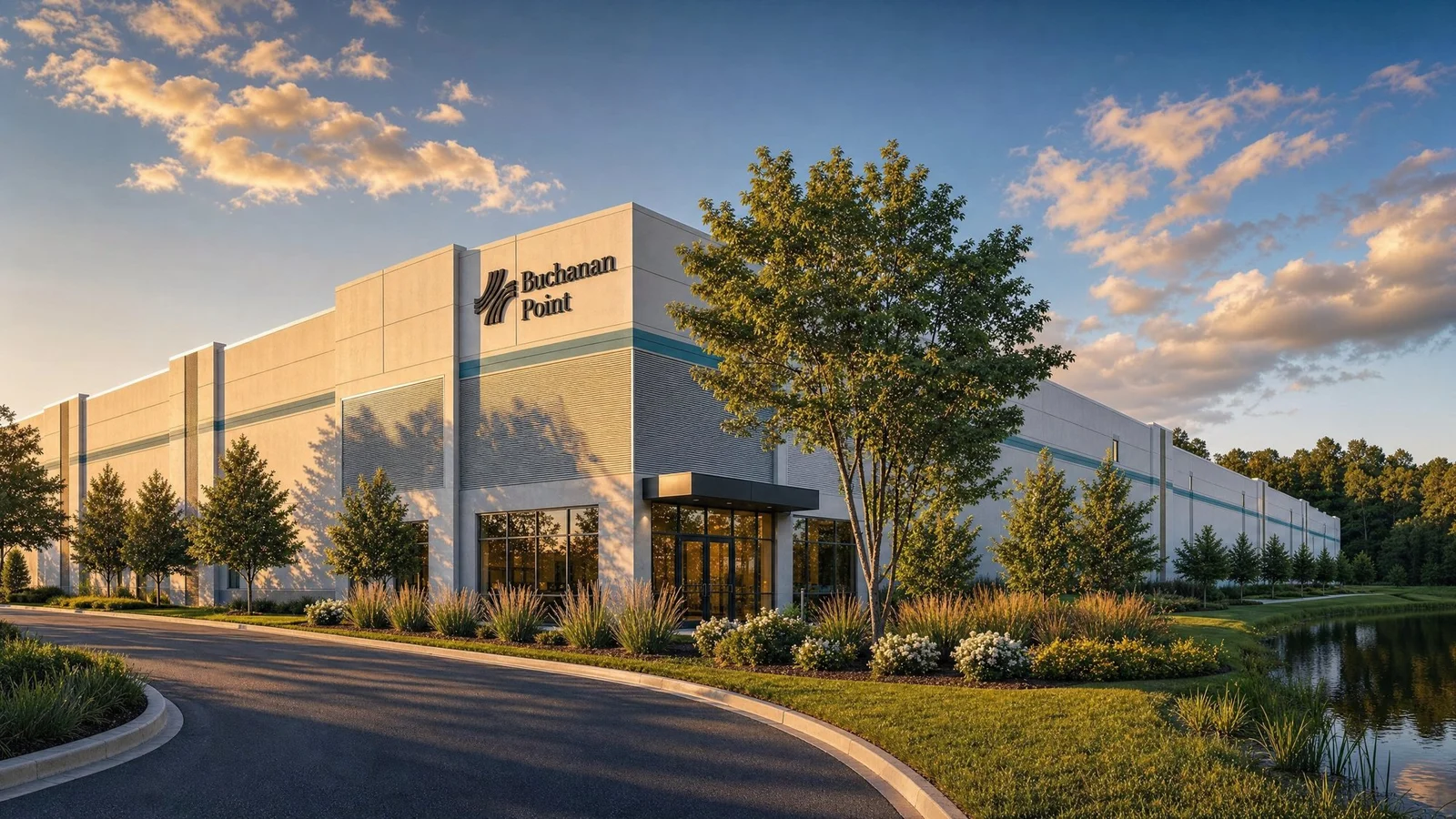
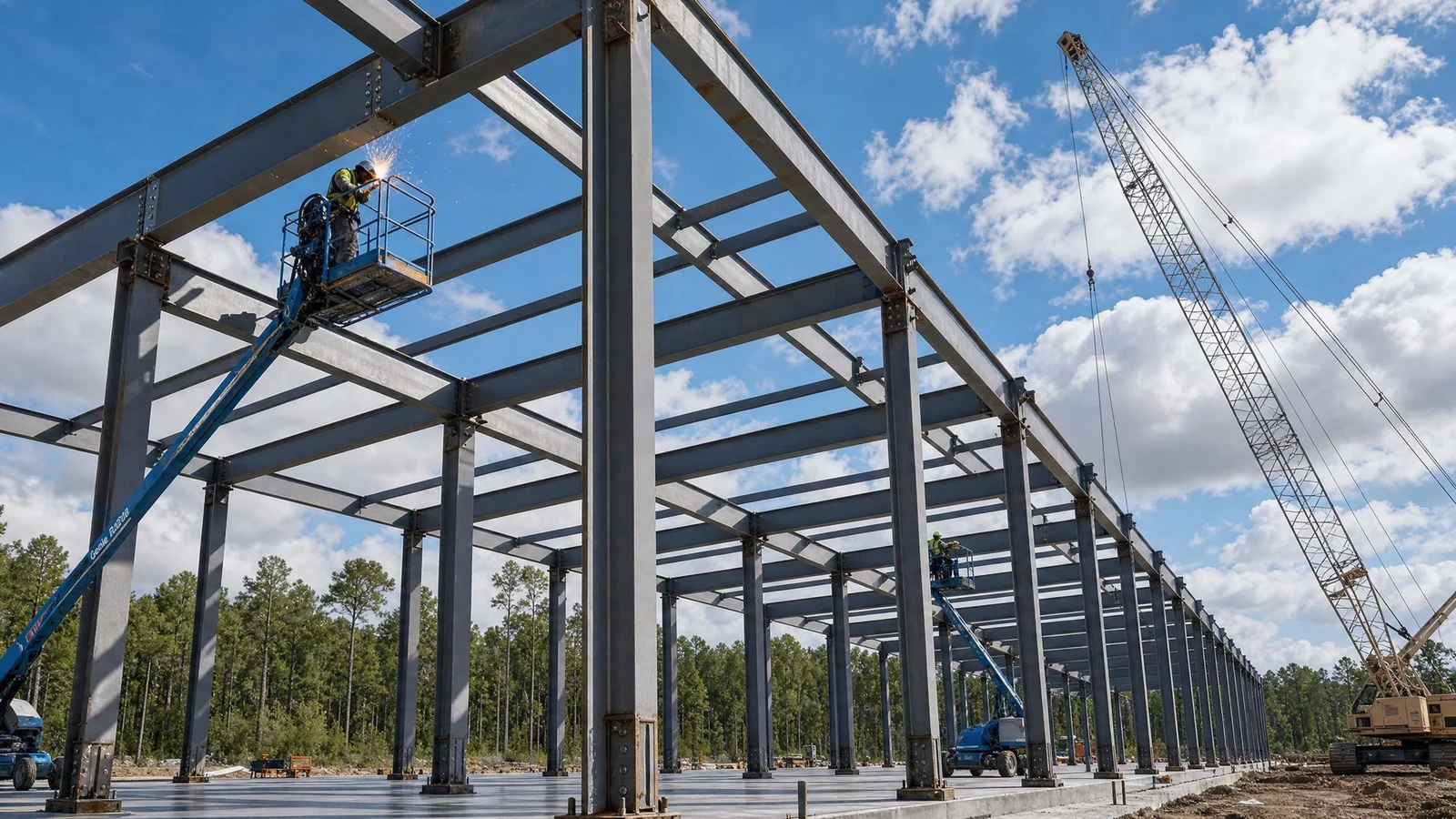
  • Buildings under construction. There is nothing to scan, so the rendered tour and the flythrough carry the leasing until the certificate of occupancy.

Can a 3D virtual tour show a building that isn't built?

It can, as long as it's rendered from the drawings rather than captured. A 3d virtual tour of an unbuilt building uses the same model as the still renderings, with 360 views placed where a tenant would stand, such as the lobby, the elevator landing and the corner office.

Plan it at the start of the rendering work. A model built for three exterior stills has no interior to walk through, and adding one later means paying for the modelling twice.

Label it clearly as a rendering of planned space. A rendered tour that passes for a scan does more harm than good once the tenant arrives and the stone is laminate.

Three buildings, one lounge and the right virtual tour for each

Back in the airport lounge, picture the same three links with a better plan behind them.

The finished suite keeps its scan, and its broker adds the floor plan with square footage so the tenant rep can check the headcount without asking. That tour does its job and leaves the email shorter.

The raw floor gets a rendered tour from its drawings. The tenant rep clicks through a furnished suite at the finish level the landlord will deliver, then opens the scan of the shell to see the columns and ceiling heights for herself. Seeing both is what makes her trust the first one.

The slab gets a short flythrough of the arrival and a rendered 360 of the lobby. Her client can't walk it yet, but he can see the drop off, the entrance and the view from the floor he'd lease.

All three make the shortlist. The flight boards on time for once, which is the least believable part of this story.

Virtual tour pricing, by the square foot and the shell

Scan tours are priced mostly by the size of the space and the number of scan points, with extras for floor plans, hosting and labels. A finished suite is quick to capture, and a full building with several floors takes a crew most of a day.

Rendered tours are priced by what has to be built. Each furnished room in a rendered tour is close to the work of a still interior, so a tour of five rooms costs more than one hero view and less than five separate projects, because the model gets built once.

Before you ask for quotes, settle four things with the leasing team.

  1. Which spaces exist. List the suites that are finished, the ones that are shells and the ones that are still drawings.
  2. Who opens the link. A tenant rep comparing three buildings needs floor plans and square footage, and a CEO needs the lobby and the view.
  3. Where it lives. The property website, the listing, an email or a tablet in the leasing center each set different file and hosting needs.
  4. When it goes stale. A scan of a sublease is accurate until the furniture leaves, and a rendered tour needs updating if the finishes change.

Where we fit when the virtual tour has nothing to scan

We build real estate renderings for space that isn't built yet, from a single furnished suite view to a set of 360 interiors and a flythrough. A furnished suite view costs $1,250, and our rendered flythrough, 30 to 45 seconds long, costs $9,000. The shorter formats and their prices are in our guide to architectural animation cost.

For finished space we'll tell you to book a scan, because a camera is cheaper than a model when the room already looks good. Our real estate photography and video team handles the drone and the filmed tour, and the same lead keeps every format pointing at the same listing.

When the suite exists but looks dated or empty, commercial virtual staging is often the cheaper fix. To decide which rooms deserve an interior at all, read exterior vs interior rendering, and our pillar on architectural rendering explains how the stills, films and tours all come from one model.

Flag the vacant floor. We'll match it to a scan, a rendered tour or both. Plan your tour set before the next tenant rep opens the link.

“

The first call felt like talking to someone who already understood our business. We didn’t have to explain the basics. They showed up with questions that mattered.

James L.

Director of Growth, HR tech

Client

FAQ

Frequently asked questions

What is a virtual tour in commercial real estate?

+

A virtual tour in commercial real estate is an online walkthrough of an office, retail or industrial space that a tenant or buyer can explore on a screen. Most are camera scans of finished space. Rendered tours are built from drawings, so they can show shell space or a building under construction. Brokers use both to qualify prospects before scheduling a site visit.

Do commercial real estate virtual tours help lease space faster?

+

They help tenants and their reps rule spaces in or out without travelling, which cuts wasted showings once a shortlist exists. They're strongest for finished, clean suites and subleases. Raw or unbuilt space usually leases better with renderings or a rendered tour, because a scan shows the ductwork and concrete a tenant is trying to imagine away.

What is the difference between a rendering and a virtual tour?

+

A rendering is an image of space as it will look, made from drawings. A scanned virtual tour records space as it looks today. Rendered tours sit between them, with 360 views built from a 3D model. Leapyn makes the rendered side for developers and brokers, and pairs it with a scan of the existing space when the suite is already standing.

Can you make a virtual tour of a building that isn't built?

+

You can, by rendering it. The studio builds the building in 3D from the drawings, then places 360 views or a camera path where a visitor would walk, usually the arrival, lobby, elevator landing and a typical suite. Plan the interior views at the start, since a model made only for exterior stills has nothing inside to tour.

How much does a virtual tour for commercial real estate cost?

+

Scan tours are usually priced by square footage and scan points, so a small finished suite costs far less than a full building. Rendered tours are priced by how many rooms need modelling and furniture. Video depends on length, camera paths and music. For our own rendering prices, a furnished interior or spec suite view starts at $1,250.

Leapyn frog mark for the Leapyn team, authors of the B2B marketing blog

Written by

The Leapyn team

Senior marketers who run strategy, creative and demand gen for B2B companies. We write about what’s working for our clients right now.

More from this author →

If you like us here, you'll love us on LinkedIn.

Stay updated

Keep reading

Related articles