Hotel rendering for two buyers, the brand committee and the guest
How hotel renderings win two very different buyers, the brand's design review committee and the guest deciding where to stay, with a brand standards and PIP checklist for conversions and new builds.
Renderings
Real estate
The Leapyn team
June 26, 2026
11 min read
In this post
toc
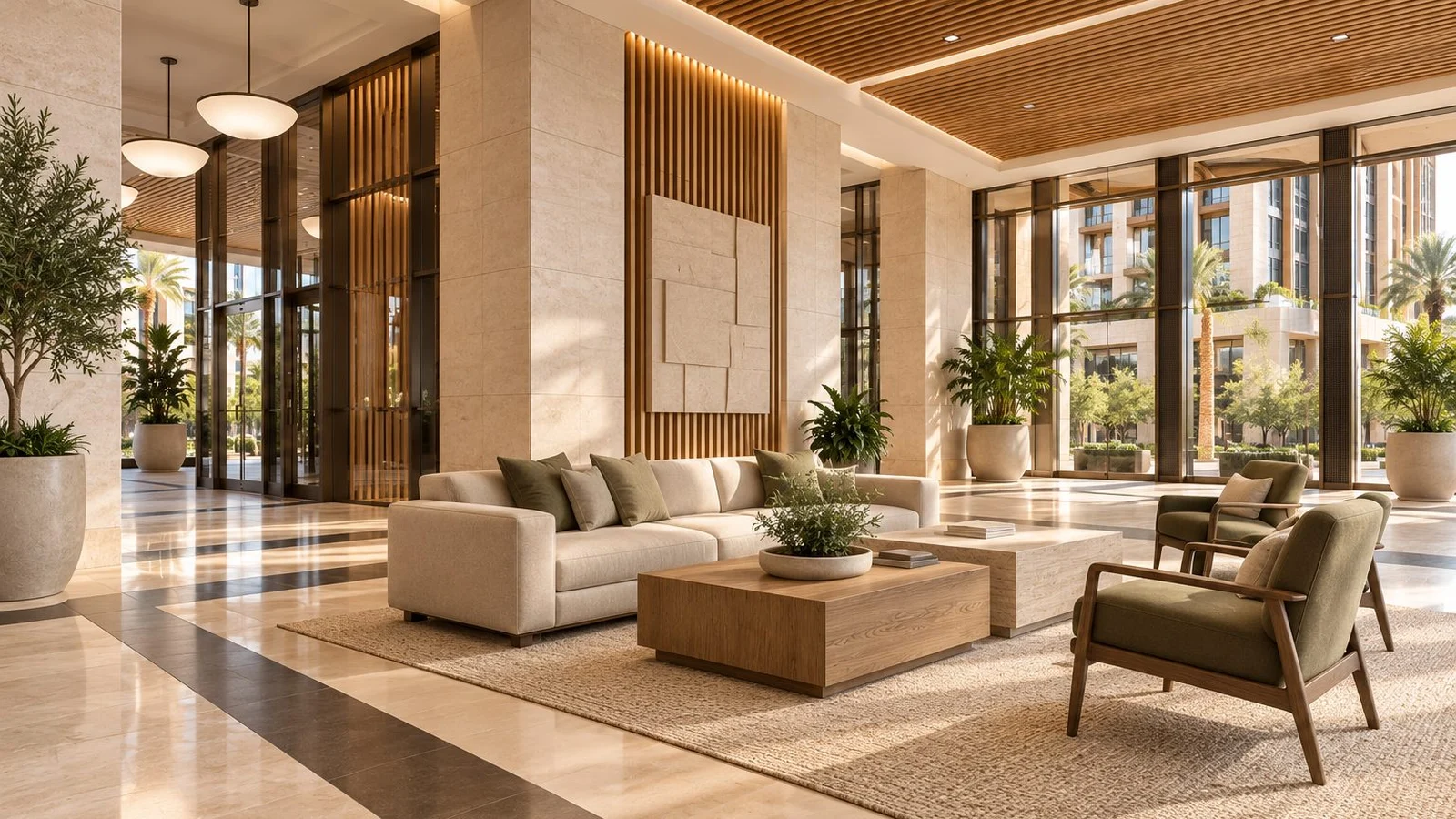
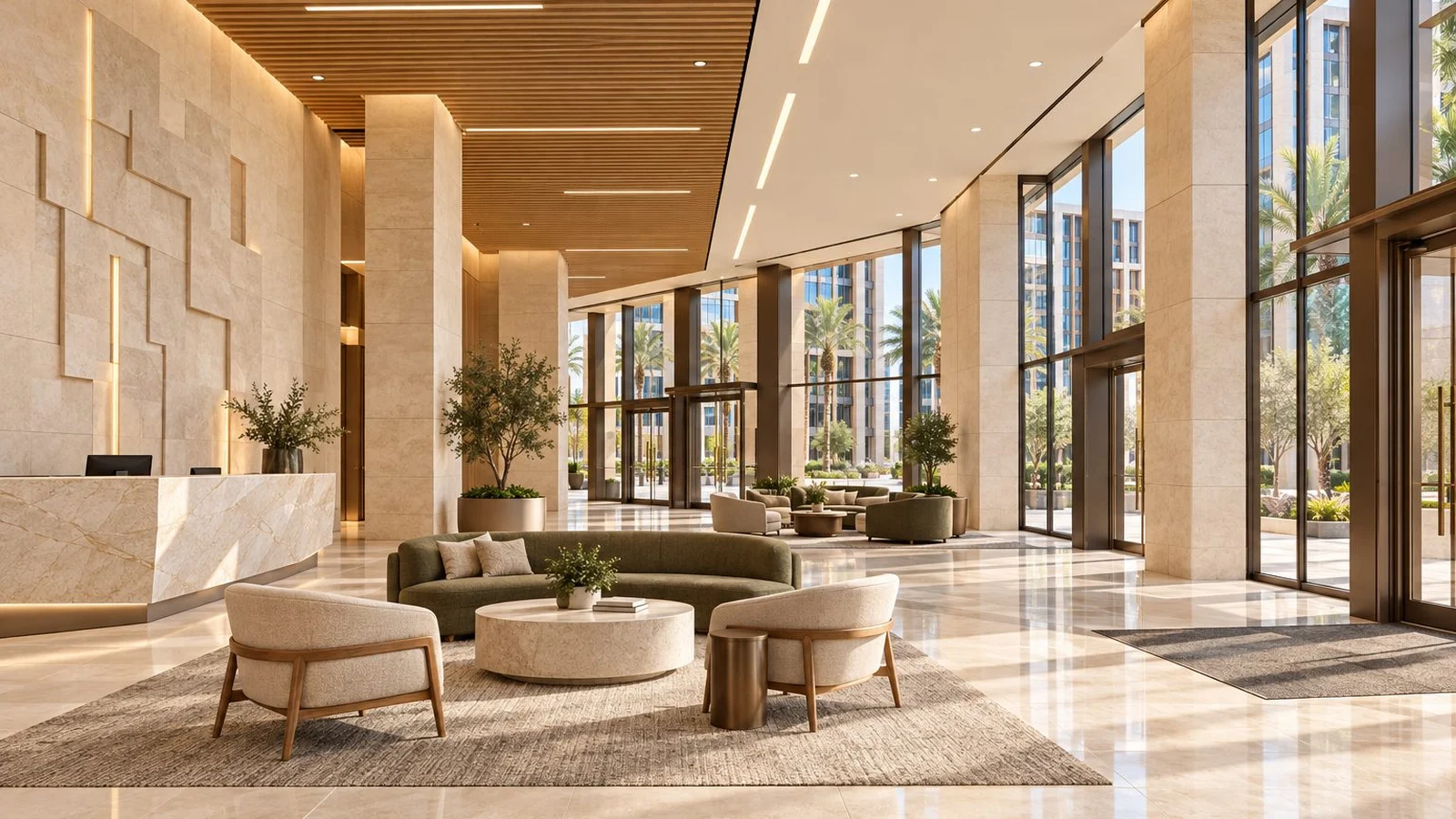
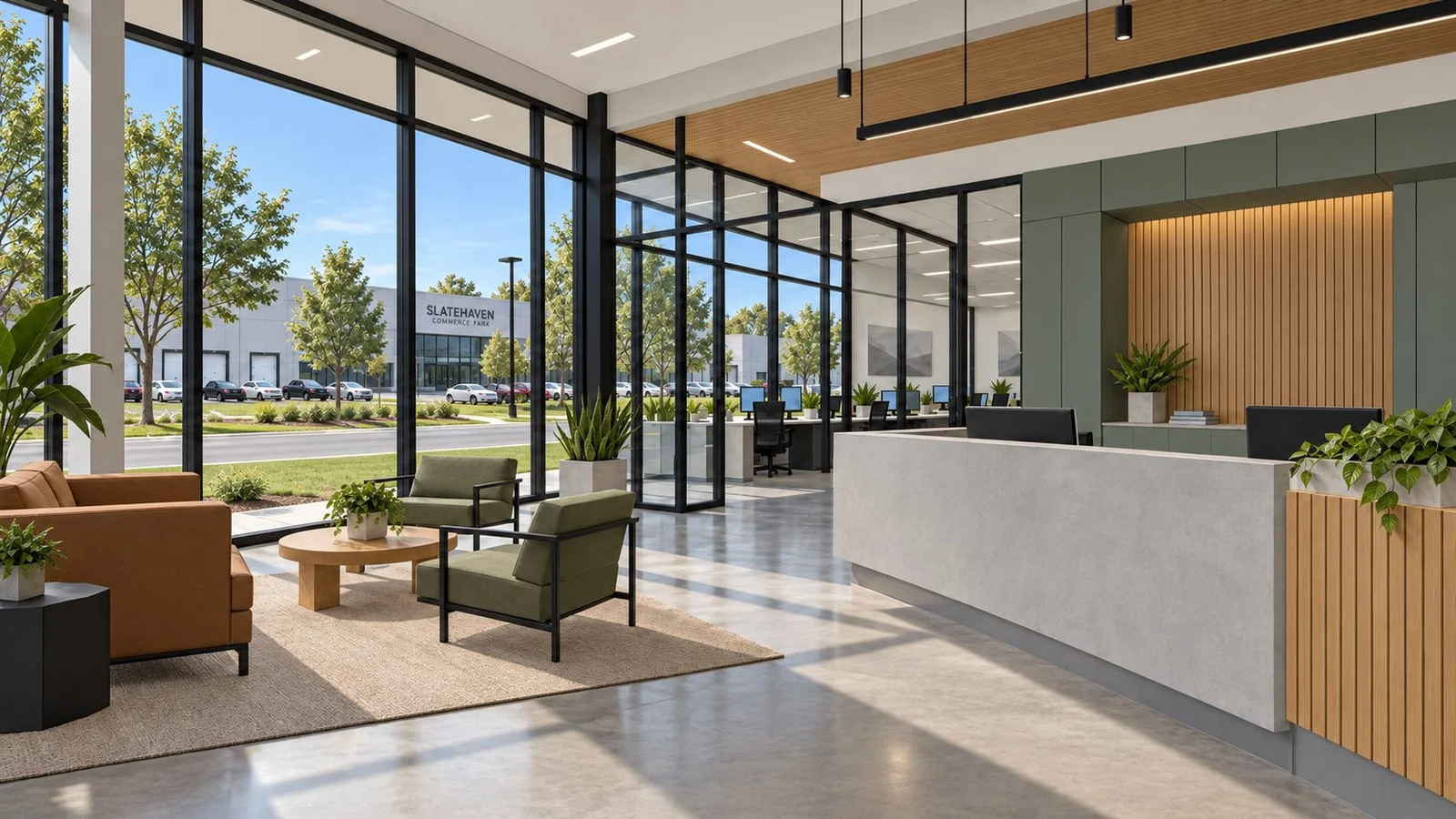
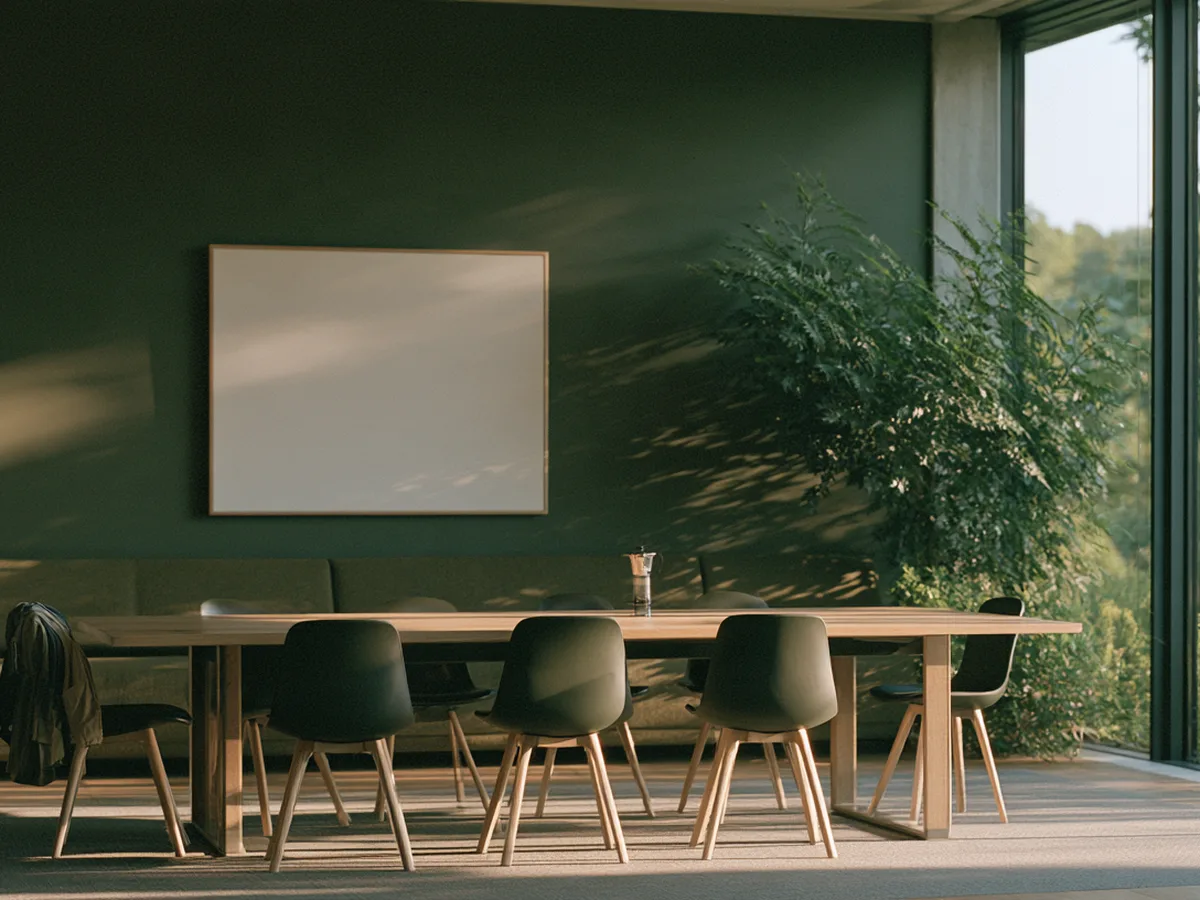
The franchise developer has the brand's design review team on a video call and the lobby rendering on the shared screen. A few seconds in, someone from the brand unmutes to say the palette is from the old prototype.
The rendering is beautiful, and it's beautiful in the wrong colours. The studio worked from the design package the developer had on file, and the brand refreshed its standards since then.
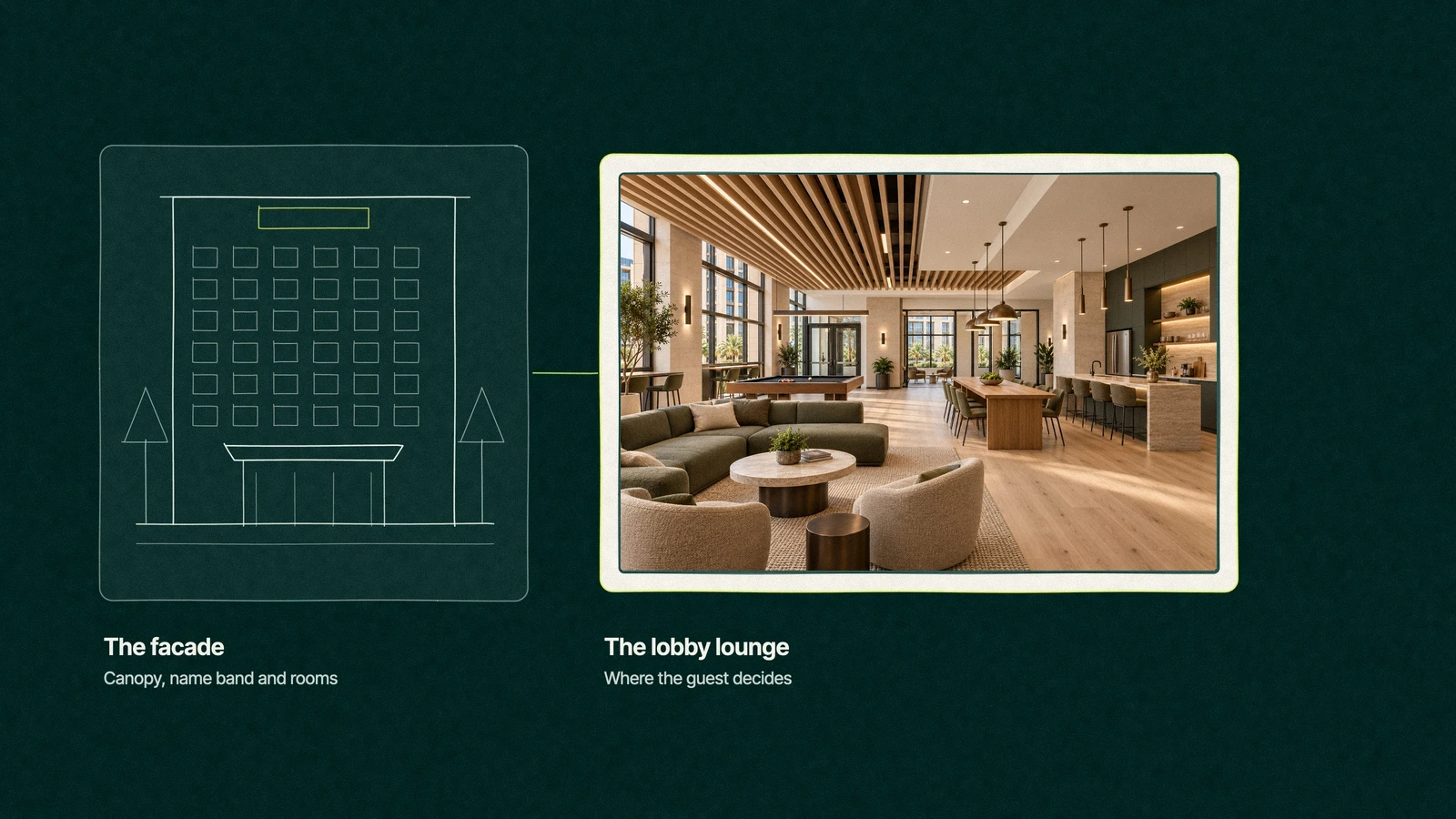
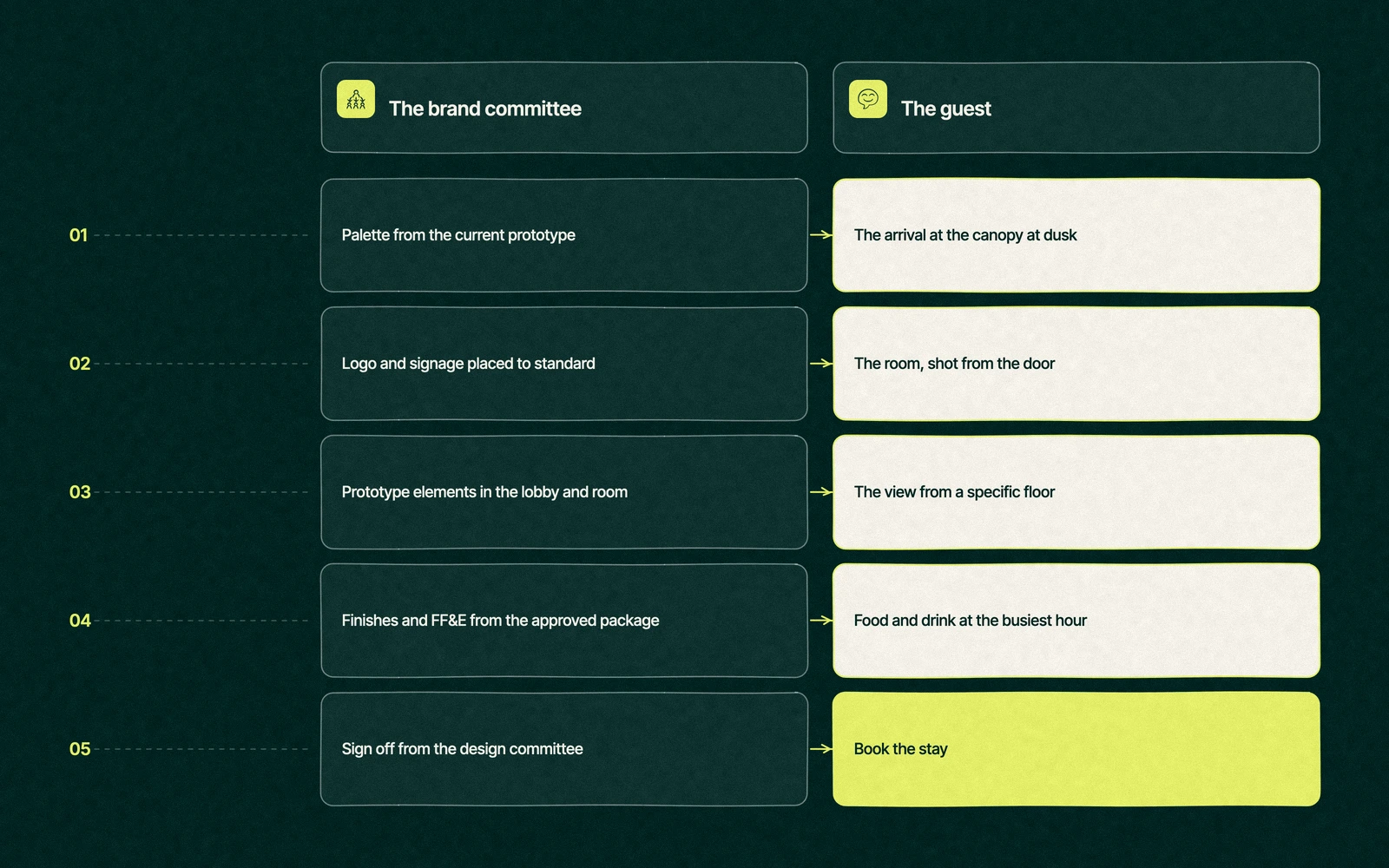
A hotel rendering has to win two buyers who rarely meet. The brand's committee checks it against a standards manual, and months later a guest decides whether to book from it, and the image has to satisfy both.
What is a hotel rendering?
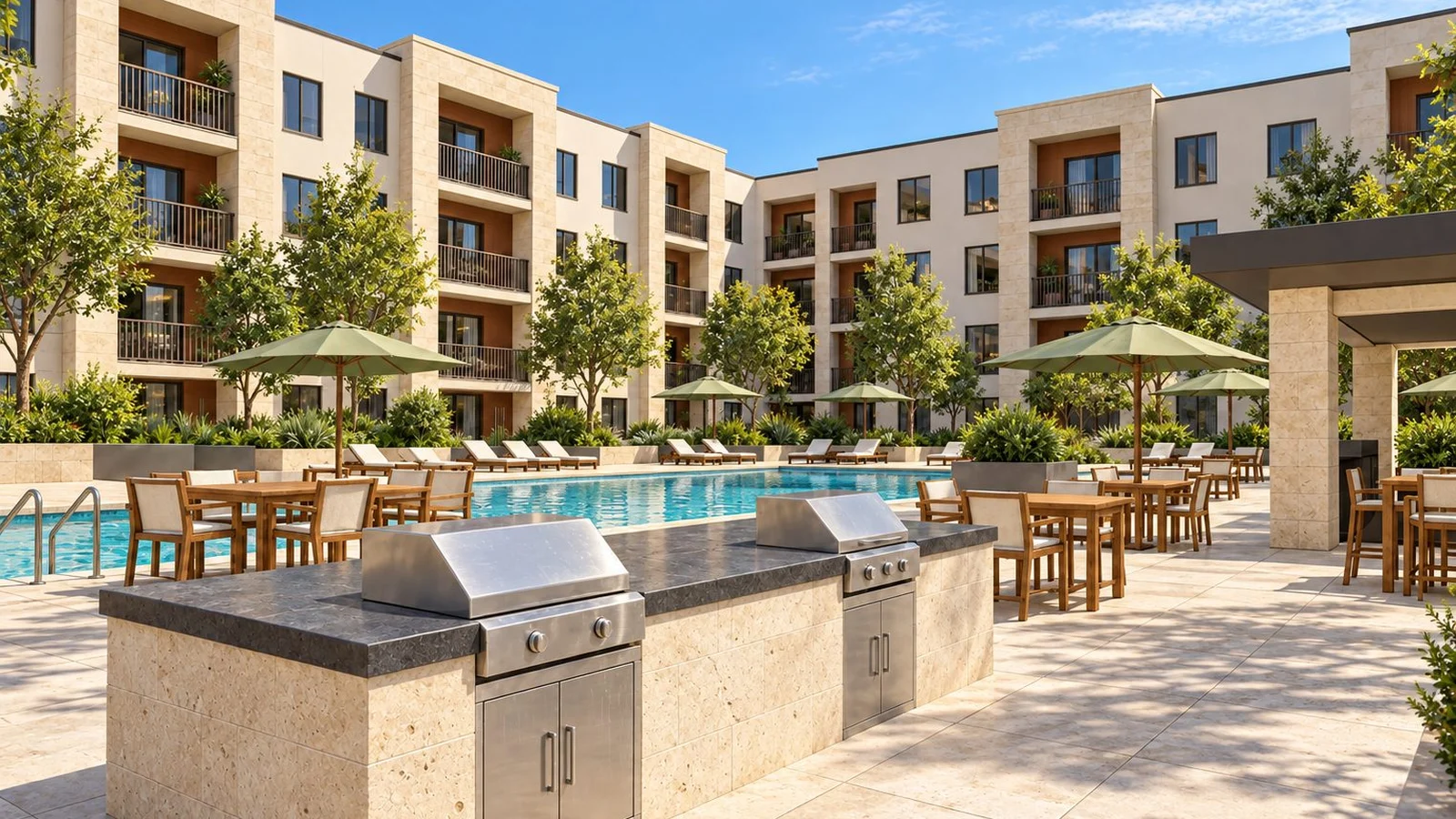
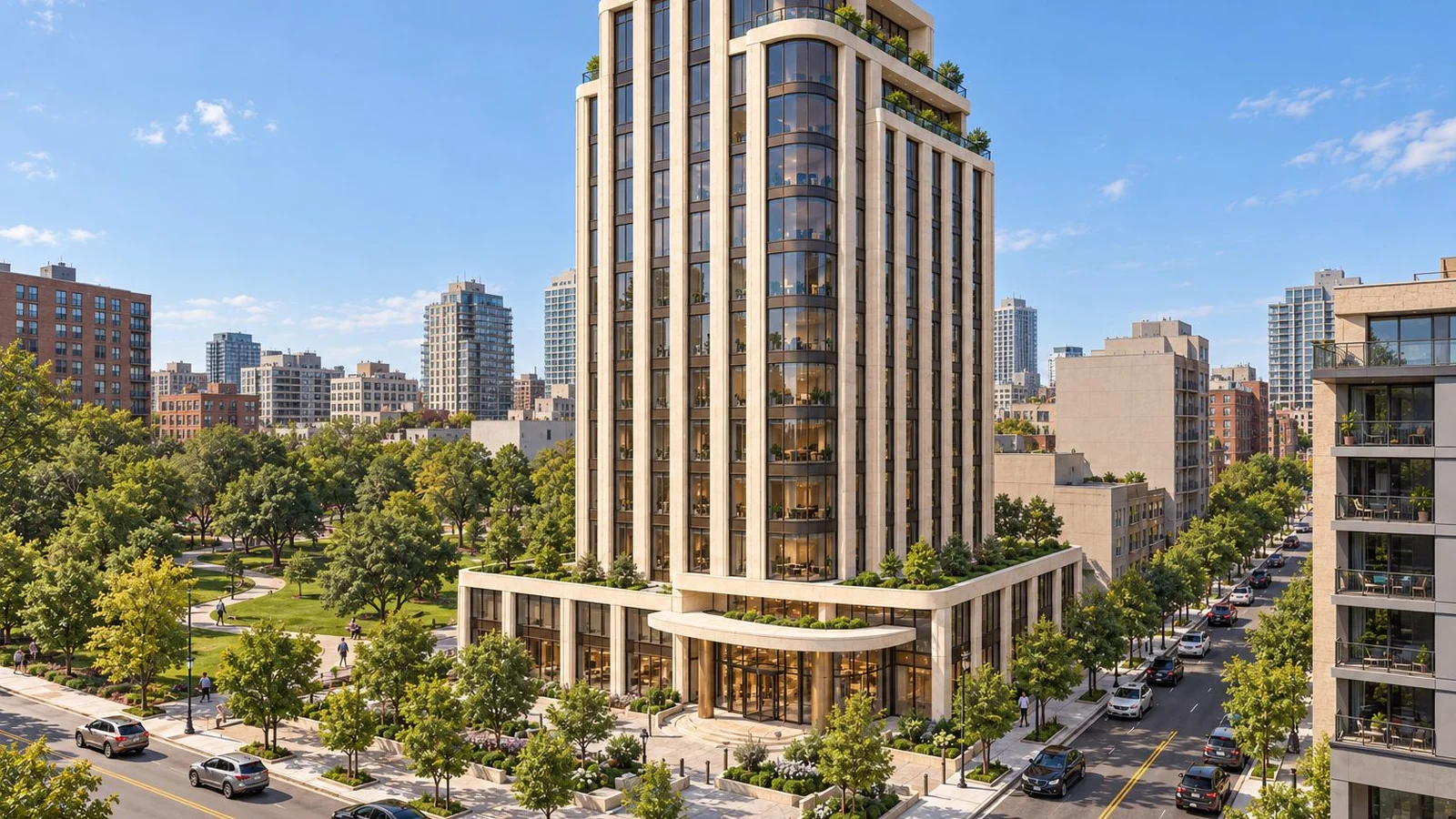
A hotel rendering is a lifelike picture of a hotel's exterior, lobby, guestrooms, restaurants or pool, made from the drawings before the hotel is built or renovated. Developers and owners use these images to win brand approval, raise capital, pass design review with the city and take bookings before opening.
That's more jobs than most property types ask of one image set. An office rendering has to lease space, while a hotel image has to get past a brand, a lender and a city, then sell a room to someone who couldn't name any of them.
Two buyers for every hotel lobby rendering
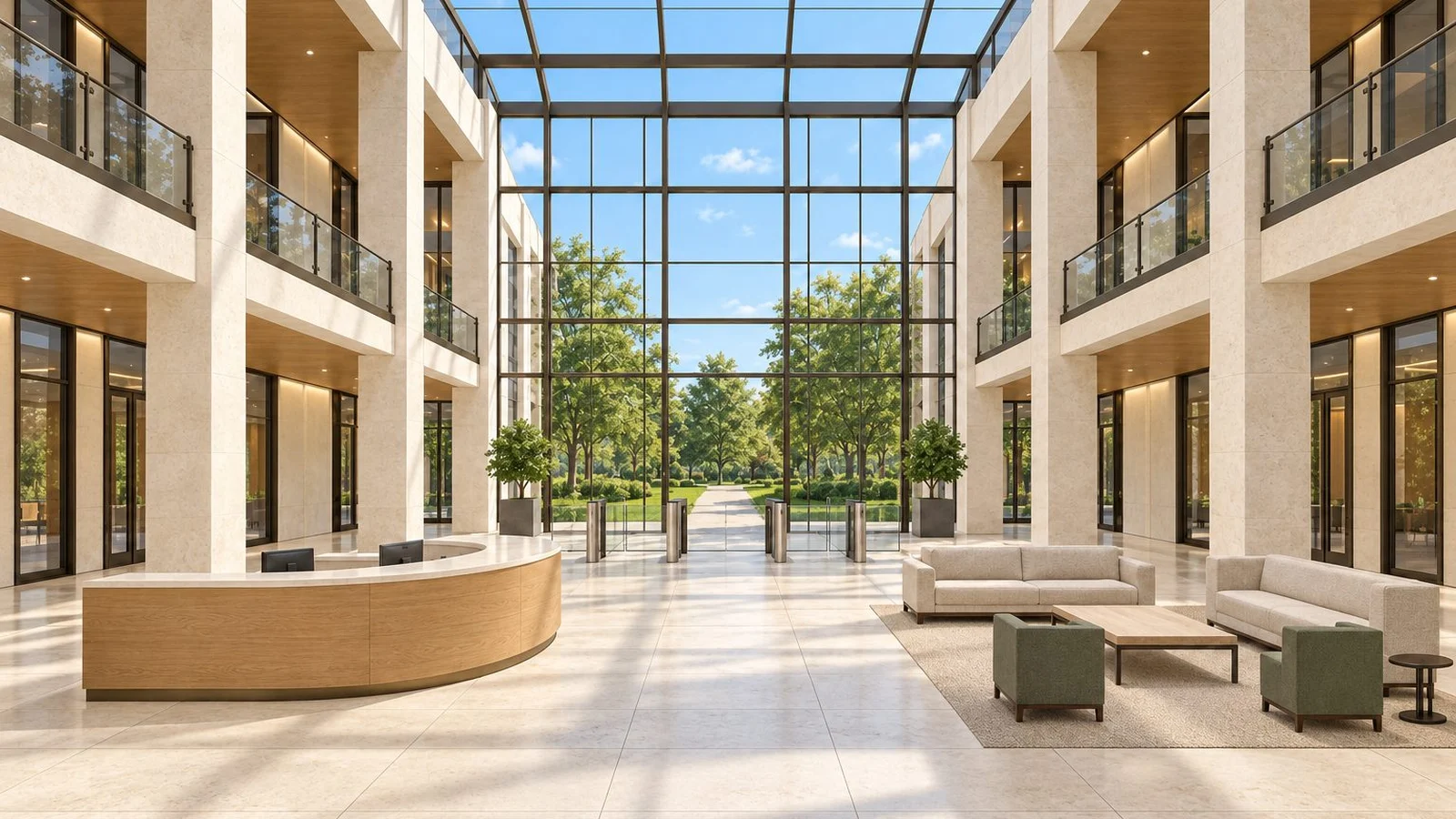
The first buyer is the brand, and it reads renderings like a contract. Its design team checks whether the lobby, the room and the signage match the standards the owner agreed to when signing the franchise.
The second buyer is the guest, who reads the same image like a promise. The guest has no idea what a franchise agreement says and mostly wants to know whether the room is quiet and the shower has a door.
Between the two sit the lender and the city, each with its own question. The table below sorts the views by who is looking.
Audience
What they're checking
Views that answer it
When they see it
Brand design committee
Palette, logo placement, prototype elements, finishes
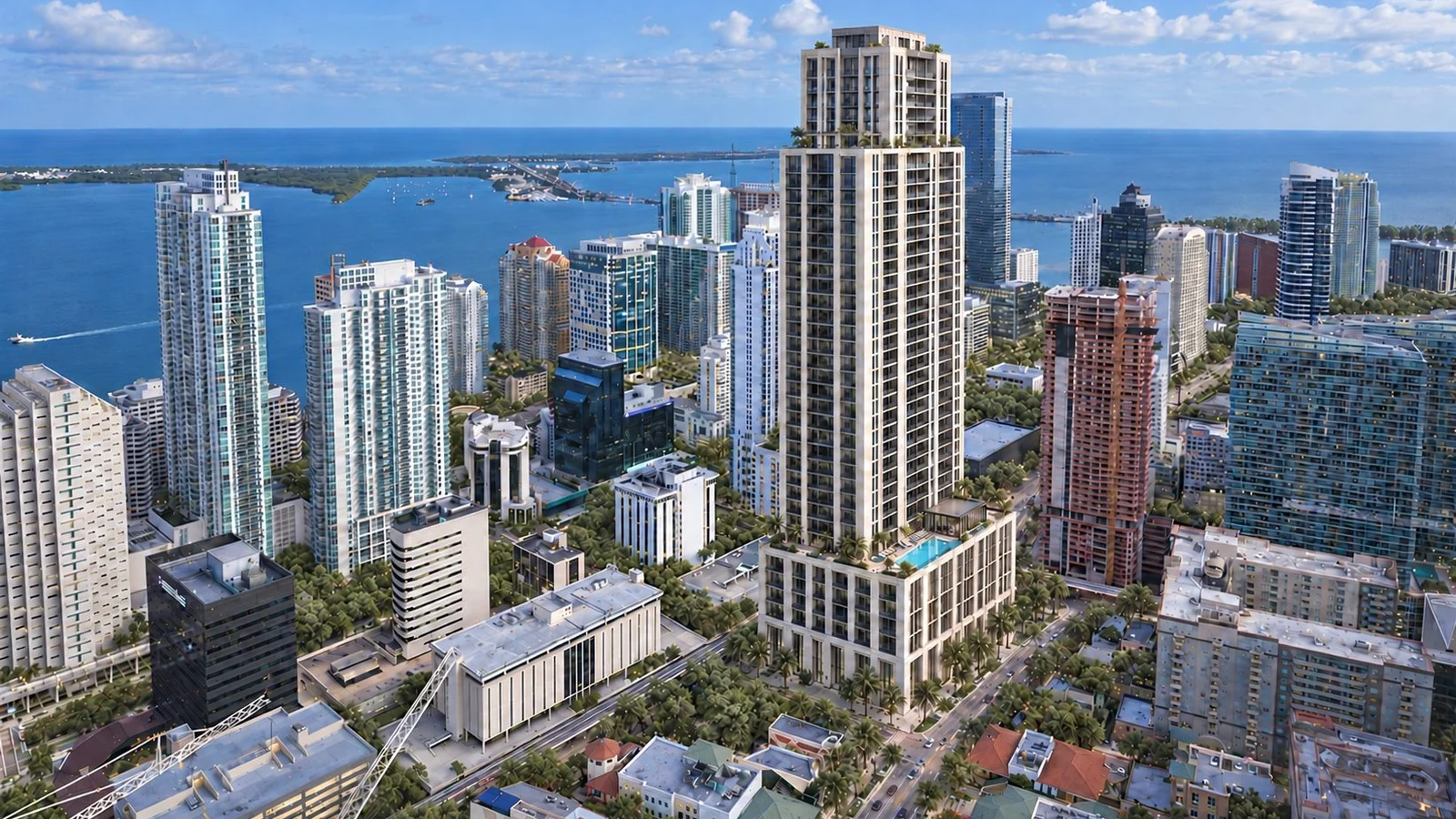
Lobby, typical guestroom, exterior with signage
Concept and design review stages
Lender or equity partner
Room count, revenue beyond rooms, how finished the plan looks
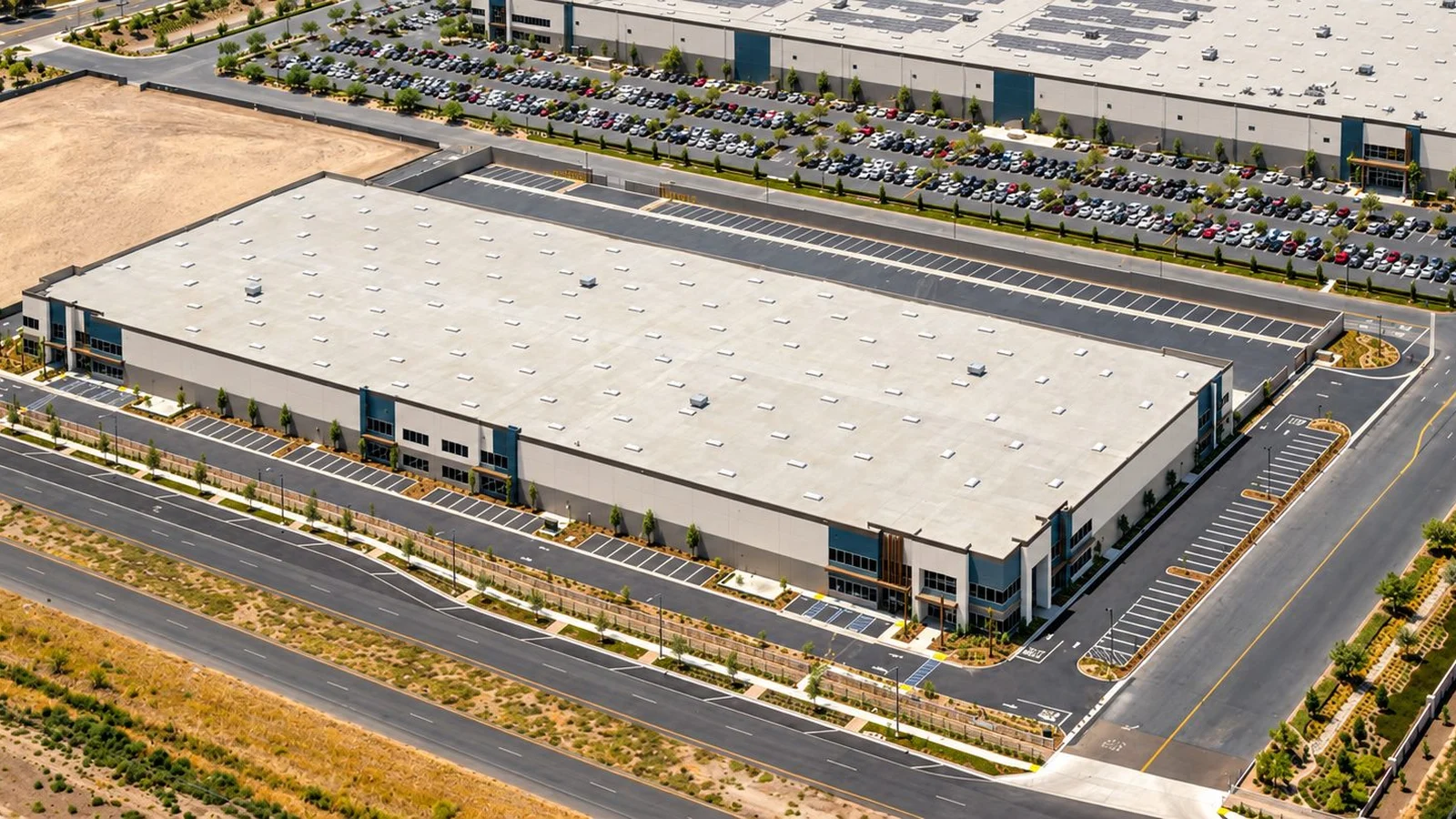
Exterior aerial, lobby bar, restaurant, meeting space
The capital raise
City or historic commission
Height, facade, street presence
Street views from public spots, facade at eye level
Entitlement and design review
Guest
Room, view, food, the feeling on arrival
Guestroom, bathroom, view from the room, pool or rooftop
Preopening sales and the booking page
The city's views follow the same rules as any other entitlement case (see renderings for zoning approval). The brand and the guest need more explaining.
What does a brand approval committee look for in a hotel design rendering?
Brands publish design standards and, for many select service flags, a prototype that sets the lobby, room and exterior. A design team reviews the owner's drawings and renderings against those standards at set stages, and anything that drifts goes back with comments.
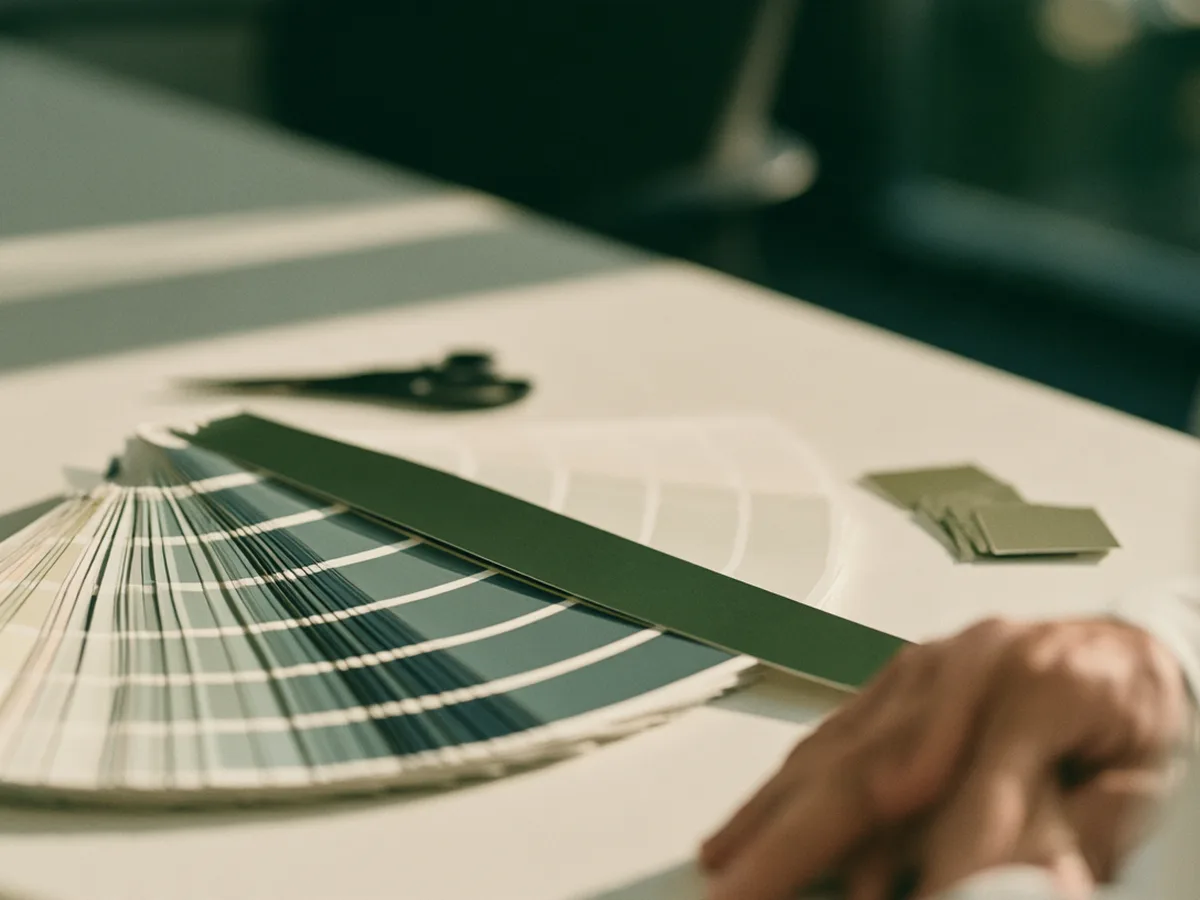
A brand design committee can spot last year's carpet pattern from a thumbnail on a shared screen. So the rendering studio needs the current standards, the approved material boards and the brand's own signage files, and it needs them before modelling starts.
A custom or soft brand hotel gets more freedom, and more scrutiny on the details that carry the brand. Expect questions on the arrival, the bar and the guestroom headboard wall, since those tend to be the photographed moments.
The brand standards and PIP checklist
Use this list for new builds and conversions alike. It works as the brief's first page.
The current standards. Get the latest design standards or prototype package from the brand, with its date, and confirm nothing newer is coming.
The palette and materials. Approved finish boards, paint codes and the FF&E package, so the hotel interior rendering matches what will be ordered.
Signage and logo files. The brand's own artwork and placement rules for the canopy, the facade and the reception wall.
Required elements. The lobby market, bar, workspace or breakfast area the prototype calls for, shown where the plan puts them.
The PIP items. For a conversion or a change of ownership, every item on the property improvement plan that changes what a guest sees.
The review schedule. Which renderings the brand wants at concept, at design development and before opening.
Sign off. A written approval of the final views, kept with the files, before they go into any guest marketing.
How do PIP renderings help a hotel conversion?
A property improvement plan, or PIP, is the list of upgrades a brand requires when a hotel joins a flag, changes flags or changes hands. It can run from carpet and lighting to a new lobby and facade, and the owner has to show the brand and the lender what the finished hotel will look like.
That work is a large share of hotel development right now. Lodging Econometrics counted 1,516 brand conversion projects with 146,544 rooms in the US pipeline at the end of Q3 2026, up 3% on a year earlier, inside a total pipeline of 5,901 projects, as Hotel Dive reported in October 2026.
A conversion rendering starts from the existing building. The studio models the shell from drawings and site photos, then renders the new lobby, rooms and signage in place, so the brand sees its flag on that exact building and the lender sees what the PIP money buys.
Adaptive reuse goes one step further, turning an office building, warehouse or historic bank into a hotel. Here the rendering has to show a new use in an old shell, and a historic commission will want the facade shown faithfully before it approves a single new window.
Trade You.
Your email for great content delivered to your inbox. Regularly. Unless we forget. Or get busy. But we'll try.
Thank you! Your submission has been received!
Oops! Something went wrong while submitting the form.
The guest at midnight and the hotel interior views that book a room
The guest decides fast and alone, usually on a phone, comparing your preopening listing with a hotel that already has photos and reviews. Your hotel rendering is competing with a stranger's photo of a breakfast buffet, and the buffet has the advantage of existing.
The room. A typical king and a typical double, shot from the door, with the bed, the desk and the window in frame.
The bathroom. Guests zoom in on it, so render the shower, the vanity and the lighting faithfully.
The view. From a specific room on a specific floor, built from site or drone photos, since a guest who books the view will check it.
The food and drink. The lobby bar, the restaurant or the rooftop, at the hour it's busiest.
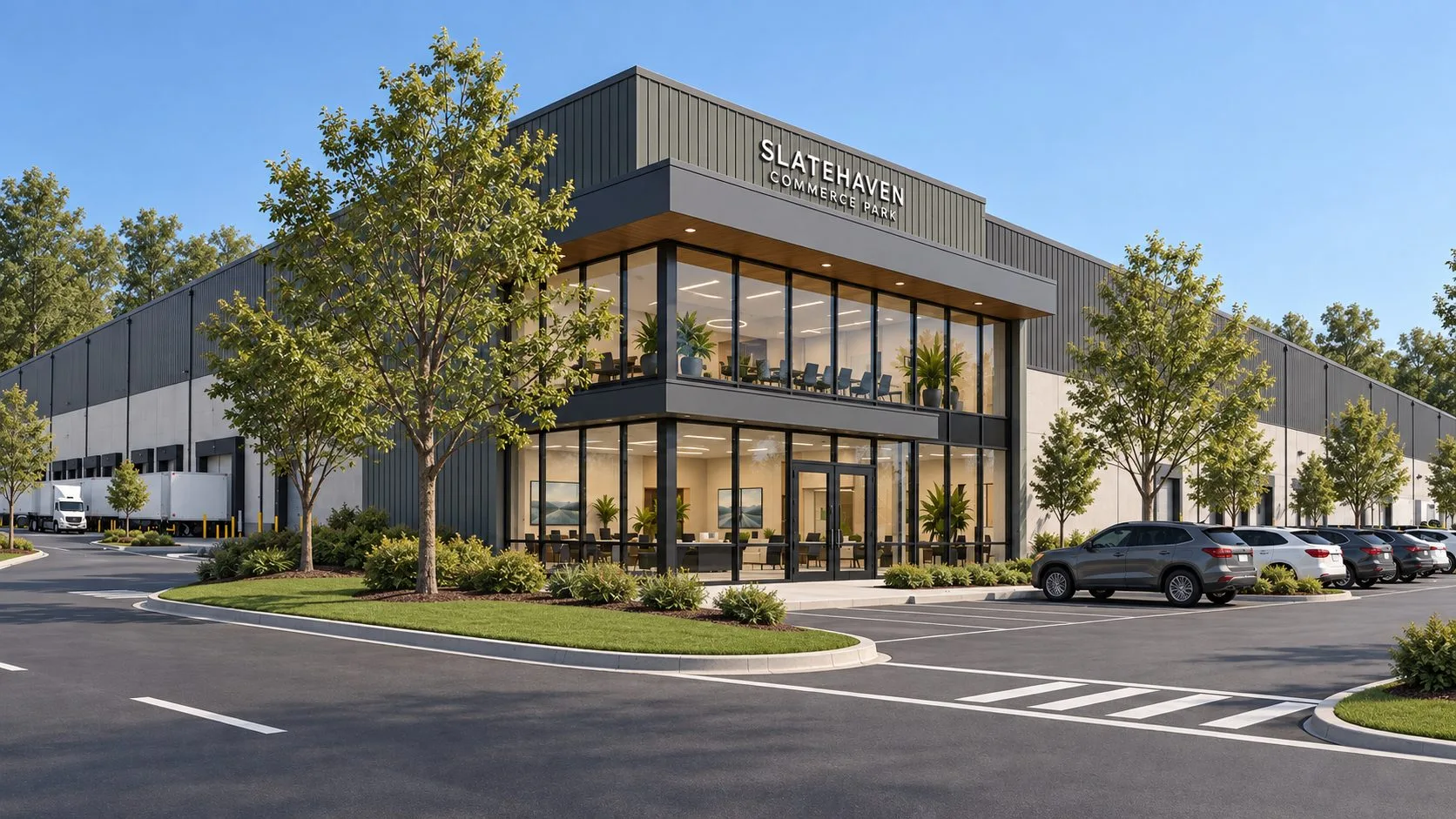
The arrival. The canopy and the front door at dusk, which is when most guests first see a hotel.
Label every image as a rendering on the booking page, keep the furniture and finishes to the approved package, and switch to photography the week the hotel opens. A guest who books the rendered room and gets a smaller one tends to say so in the first review.
Which views does each type of hotel need?
The ranking below is our recommendation for a first set, and it changes with the hotel. A select service hotel mostly sells the brand's promise. A boutique hotel rendering has to carry a personality on its own, and a resort rendering is selling the whole stay, pool and dinner included.
Hotel type
First three views
Add next
Who it's mostly for
Select service or extended stay
Exterior with signage, lobby, typical room
Breakfast area, fitness room
The brand and the lender
Boutique or lifestyle
Arrival, lobby bar, signature room
Rooftop or restaurant, a detail shot of the design
The guest and the press
Full service or convention
Exterior aerial, lobby, ballroom or meeting space
Restaurant, suite, pool deck
Group sales and the lender
Resort
Aerial with the setting, pool, room with the view
Spa, beach or golf, dining at dusk
The guest, the travel agent and the lender
Conversion or adaptive reuse
Facade before and after, lobby, typical room
The historic detail kept, the new rooftop
The brand, the historic commission and the lender
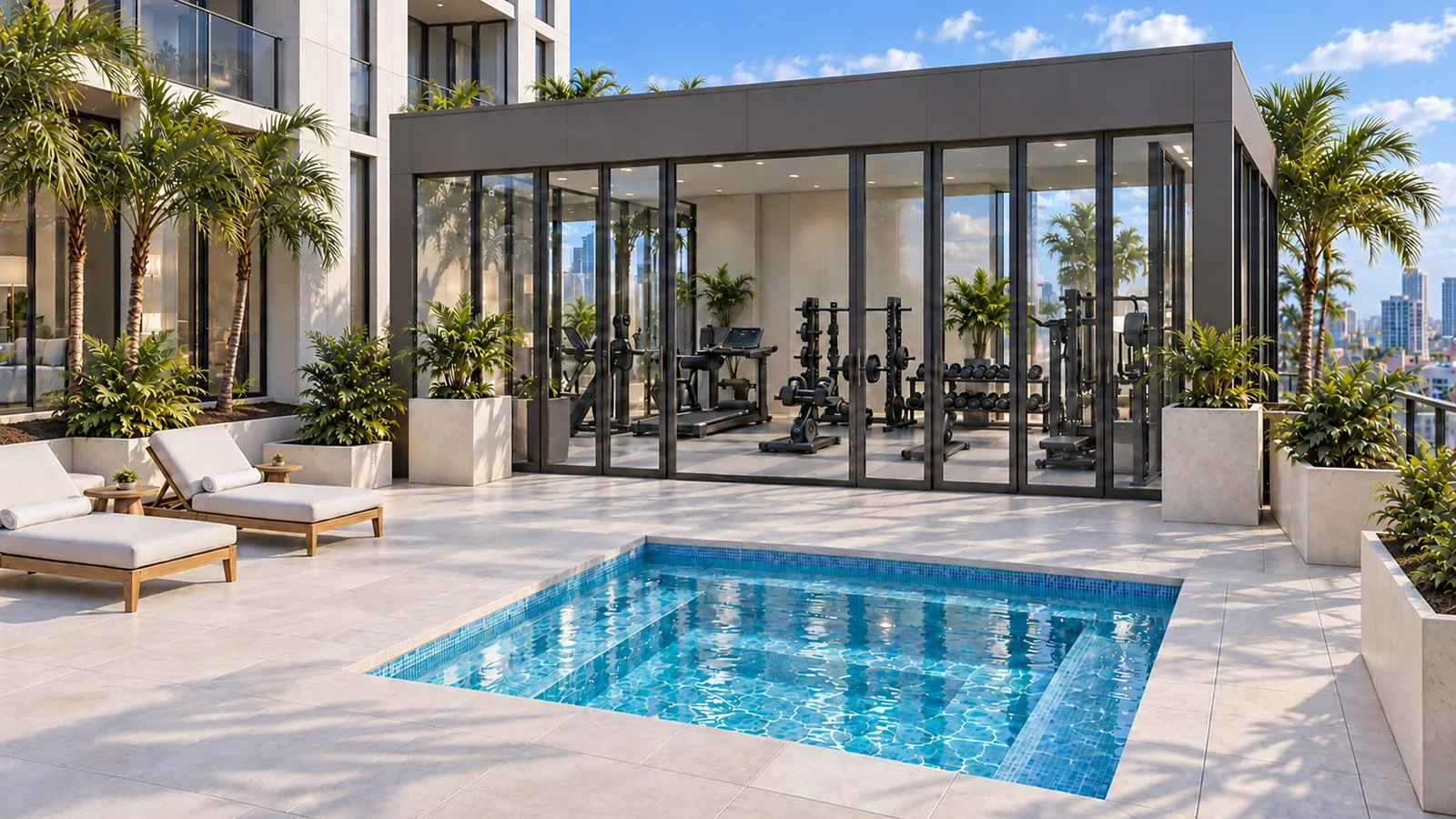
Hotels in mixed use towers share their arrival and roof with offices or apartments, which our guide to mixed use rendering covers. For pools, gyms and rooftops, our amenity rendering guide explains how to render each space at the hour guests use it.
The wrong palette, and the lobby rendering that passed brand review
Back on the video call, picture the developer asking the brand for the current standards package, the approved finish boards and the signage files, in writing, before anyone hangs up.
The studio swaps the palette on the same model, since the lobby's shape hasn't changed. A lobby rendering in the wrong palette is a very polished way to lose a month, and rebuilding the colours on an existing model takes a fraction of that.
The next review passes with two small comments on the reception wall. The same lobby view goes into the lender's deck the following week and onto the preopening booking page once the brand signs off in writing.
Hospitality rendering services for lenders and brands, and where we fit
Lenders read a hotel rendering the way guests read reviews, looking first for what's missing. They want to see the revenue beyond rooms, so include the bar, the restaurant and the meeting space, and keep the room count and the floor count honest to the plans.
We make real estate renderings for hotel developers and build the decks, brochures and preopening campaign around them, through our pitch decks and market reports work. For the brand's first review, a three view concept set costs $3,000, and we credit it in full if you move up to the $5,500 campaign set of six views.
A twelve view flagship set covering the brand, the lender and the guest is $10,000, and an added interior or guestroom view is $1,250. Every 3D hotel rendering we make is sized to hold up on a construction fence and a lobby wall as well as a phone. Our 3D rendering cost breakdown lists what pushes a quote up or down, and the architectural rendering pillar starts from first principles.
Attach the brand standards package to your first email. We'll render the lobby the committee approves and the room a guest books.Plan your hotel set today.
“
The first call felt like talking to someone who already understood our business. We didn’t have to explain the basics. They showed up with questions that mattered.
James L.
Director of Growth, HR tech
Client
FAQ
Frequently asked questions
What is a hotel rendering?
+
A hotel rendering is a computer generated view of a hotel's exterior, lobby, rooms, restaurant or pool, built from the drawings while the hotel is still on paper or under renovation. Owners use these images for brand approval, the capital raise, city design review and preopening bookings. The best sets are built from current brand standards, so the same views can serve the brand and the guest.
When do hotels need renderings?
+
Hotels usually commission renderings at four points, during entitlement for the city, at the brand's concept and design reviews, for the capital raise, and six months or more before opening to start taking bookings. Conversions add one more moment, when a property improvement plan has to show the brand and the lender what the upgraded hotel will look like.
Can renderings be used to take hotel bookings?
+
Many new hotels open reservations using renderings on their booking pages and listings. Label each image as a rendering, keep furniture, finishes and room sizes faithful to the approved package, and get the brand's written sign off first. Replace the images with photography as soon as the hotel opens, since guests compare the room they get with the room they booked.
Which views does a boutique hotel need?
+
Boutique hotels tend to sell on personality, so start with the arrival, the lobby bar and one signature room. Add the rooftop or restaurant and a close detail of the design next. Render the bar and rooftop at the hour they're busiest, and show the room with its view from a named floor, built from site or drone photos.
How much does it cost to render a hotel?
+
Hotel quotes rise with the number of views, how settled the brand standards are, the amount of surrounding street to model and the number of brand review rounds. Leapyn prices a three view concept set at $3,000, which counts toward a $5,500 campaign set of six views, while twelve views in a flagship package run $10,000. Each added interior is $1,250.
Written by
The Leapyn team
Senior marketers who run strategy, creative and demand gen for B2B companies. We write about what’s working for our clients right now.