Call tracking software for small businesses that run ads, four tools compared
How call tracking software ties each phone call to the ad that caused it, how to get those calls into Google Ads conversions and which of four tools fits a small team.
Paid advertising
The Leapyn team
November 28, 2026
10 min read
In this post
toc
The May ad report that Carla dropped on Dale Pruitt's desk said the family roofing company in Knoxville had spent $9,400 on Google Ads during the busiest hail month anyone in the office could remember. It credited the ads with seven conversions, every one of them a website form, and nobody in the building owned any call tracking software to say otherwise.
Carla, his sister-in-law, owns the company, and she had a second crew to pay for before storm season ended. She wanted to cut the ads to a quarter of the budget and put the rest into trucks and wages, which was hard to argue with, since Dale was the one who had talked her into Google Ads the year before.
He knew the phones had rung all month, because he had answered most of the calls himself, and plenty of callers mentioned an ad. The desk phone kept a list of numbers and times, though, with nothing to say where any of them came from, so he asked Carla for one more month to prove it.
A month later the ads were still running, just not the same ones, and Carla had started answering the shop phone in a slightly different way.
One link in this post is a partner link, so WhatConverts may pay us if you sign up through it. We only list tools we've tested, and the commission never buys a better spot.
What is call tracking software?
Call tracking software gives each marketing source its own phone number, then records which number a person dialed, when, for how long and which ad or search sent them. The ringing phone becomes a lead with a source attached, so calls can count in your ad reports the same way form fills already do.
Most tools also record and transcribe the call and send the result to Google Ads, your CRM or both. The better ones let you mark which calls were worth having, so a wrong number never counts the same as a homeowner booking an inspection.
For a business that sells by phone, the gap it closes is large. Roofers, plumbers, HVAC shops, law firms and clinics hear from people who want an answer today, and those people call. An ad account that only sees forms is grading the campaign on the customers who were least in a hurry.
DNI, how call tracking software knows which ad made the phone ring
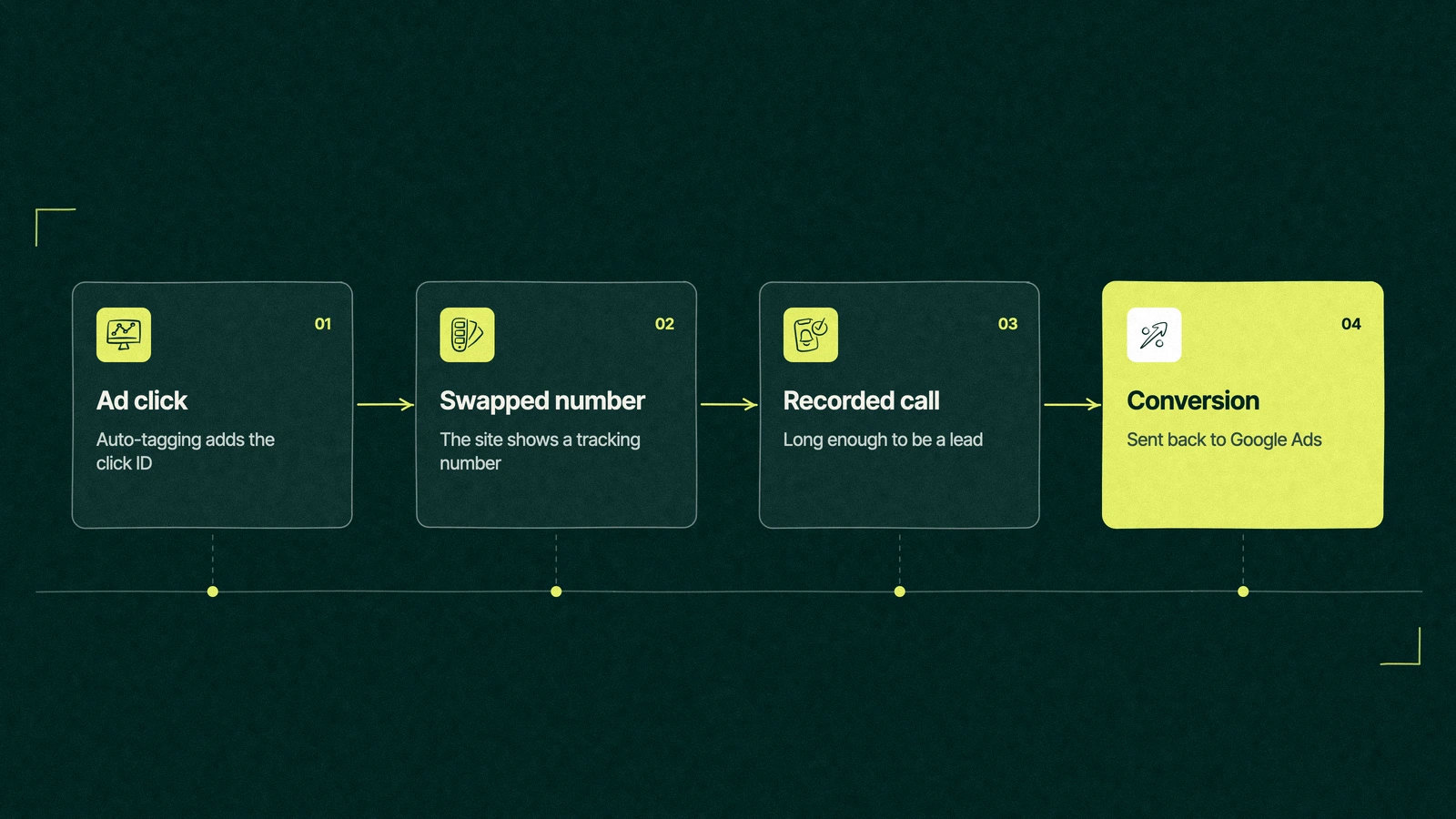
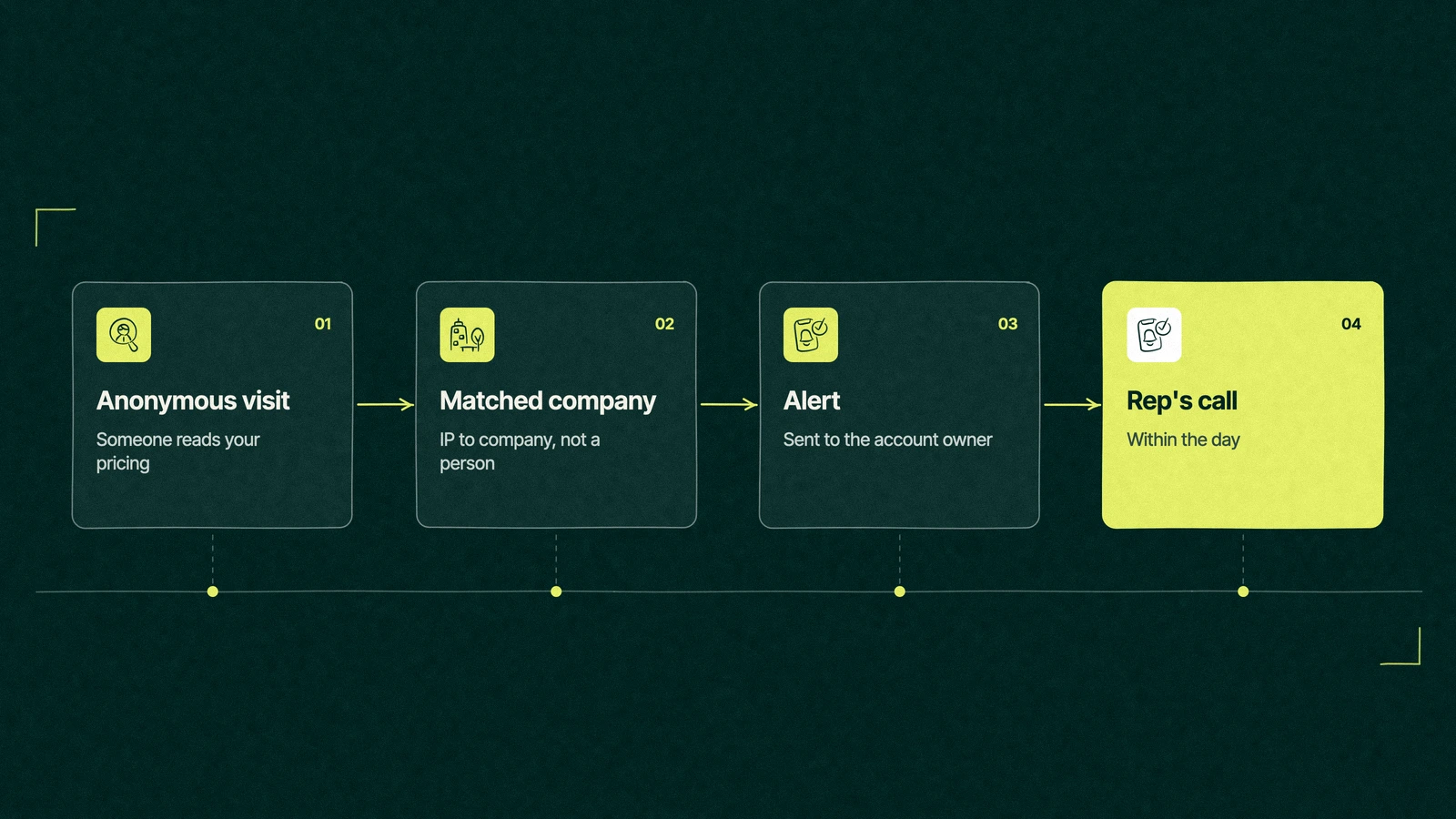
The trick behind it is called dynamic number insertion, or DNI. A small script on your website looks at where each visitor came from and swaps the phone number on the page for one from a pool of tracking numbers, so the person who clicked your storm repair ad sees a different number than the person who found you on a map.
Each number in the pool stays tied to one visitor's session for a while, with that visit's source, campaign and keyword attached. When the call comes in, the software matches the dialed number to the session and knows which ad, which search term and which page led to it.
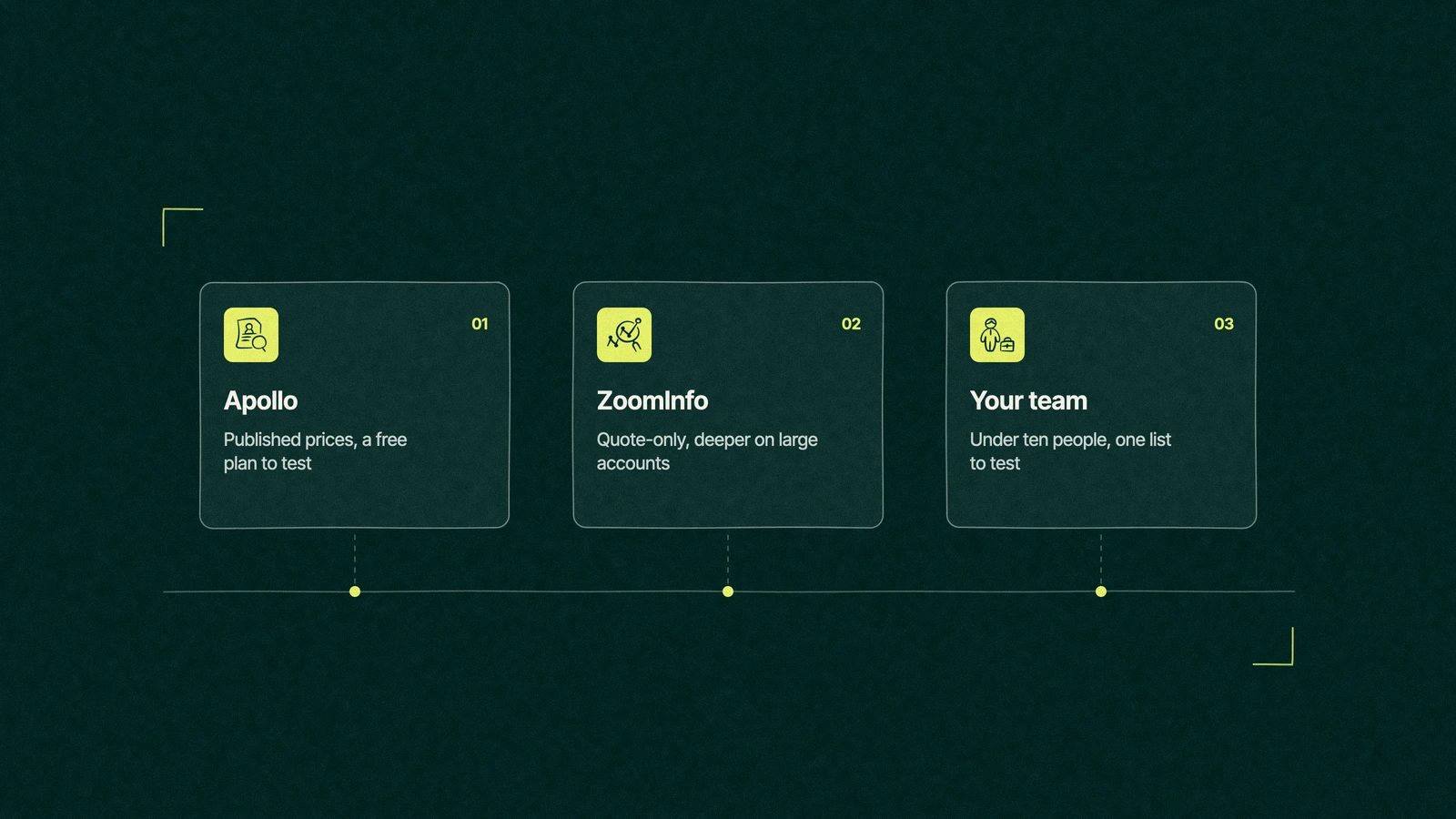
Google offers a narrower version of this for free. Its website call tracking shows a Google forwarding number to people who clicked your ad and then counts their calls, which covers ad visitors only. Organic visitors, map searches and the rest of your marketing stay invisible.
Call tracking for Google Ads, and getting phone calls into your conversions
Call tracking for Google Ads has one job, which is to put the calls an ad caused into the same conversion column the forms already sit in. Smart bidding only learns from what it can see, so an account that reports forms alone will keep spending on whatever produces forms.
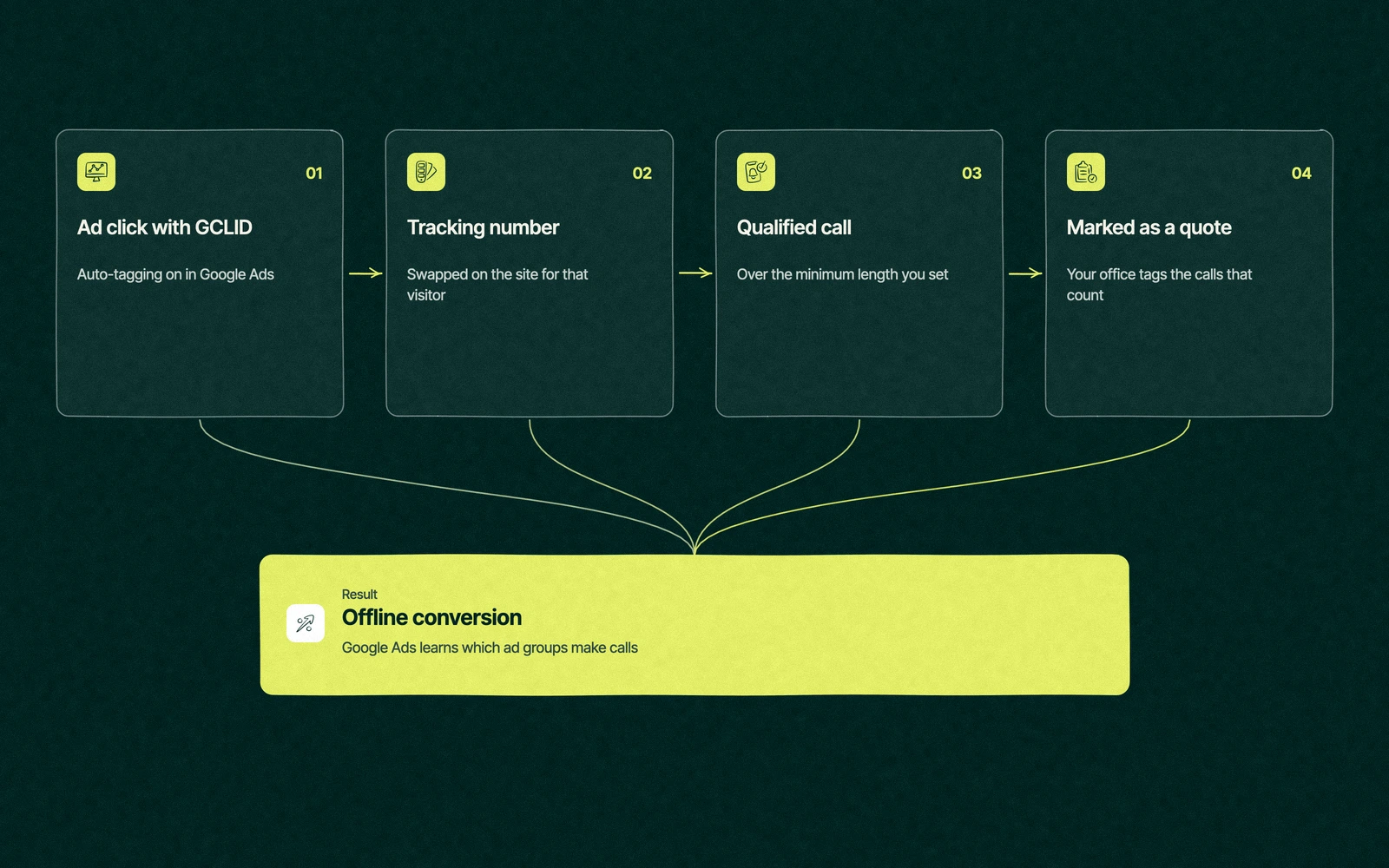
The second route is what lets you count only the calls that mattered. These six steps set it up, and they work the same in most tools.
Turn on auto-tagging in Google Ads. It adds the GCLID to every ad click, and without it the tool can see that a call came from Google but not which campaign or keyword.
Install the script and build the number pool. Put it on every page and let the tool size the pool from your traffic.
Give each offline source a static number. A yard sign or radio spot gets one number that never changes, so its calls stop hiding in the website count.
Decide what a good call is. Set a minimum length, such as 60 seconds, and a rule for which calls count, such as new callers or calls someone marked as a quote.
Connect the tool to Google Ads. It creates or uses an import conversion action, and you choose whether every call or only qualified ones go back.
Wait a full month before you judge an ad group. Imported calls don't show up the moment the phone rings, and one hail storm can make any ad group look brilliant for a week.
Step four is where most accounts go wrong. If every call counts, Google learns to buy wrong numbers and vendor pitches, and the report looks wonderful until the crews run out of work.
Dale learned it in the first week, when a shingle supplier's sales rep showed up as a conversion, so he raised the call length that counts until quick pitches stopped making the report.
Call tracking software compared, four tools by the job you need done
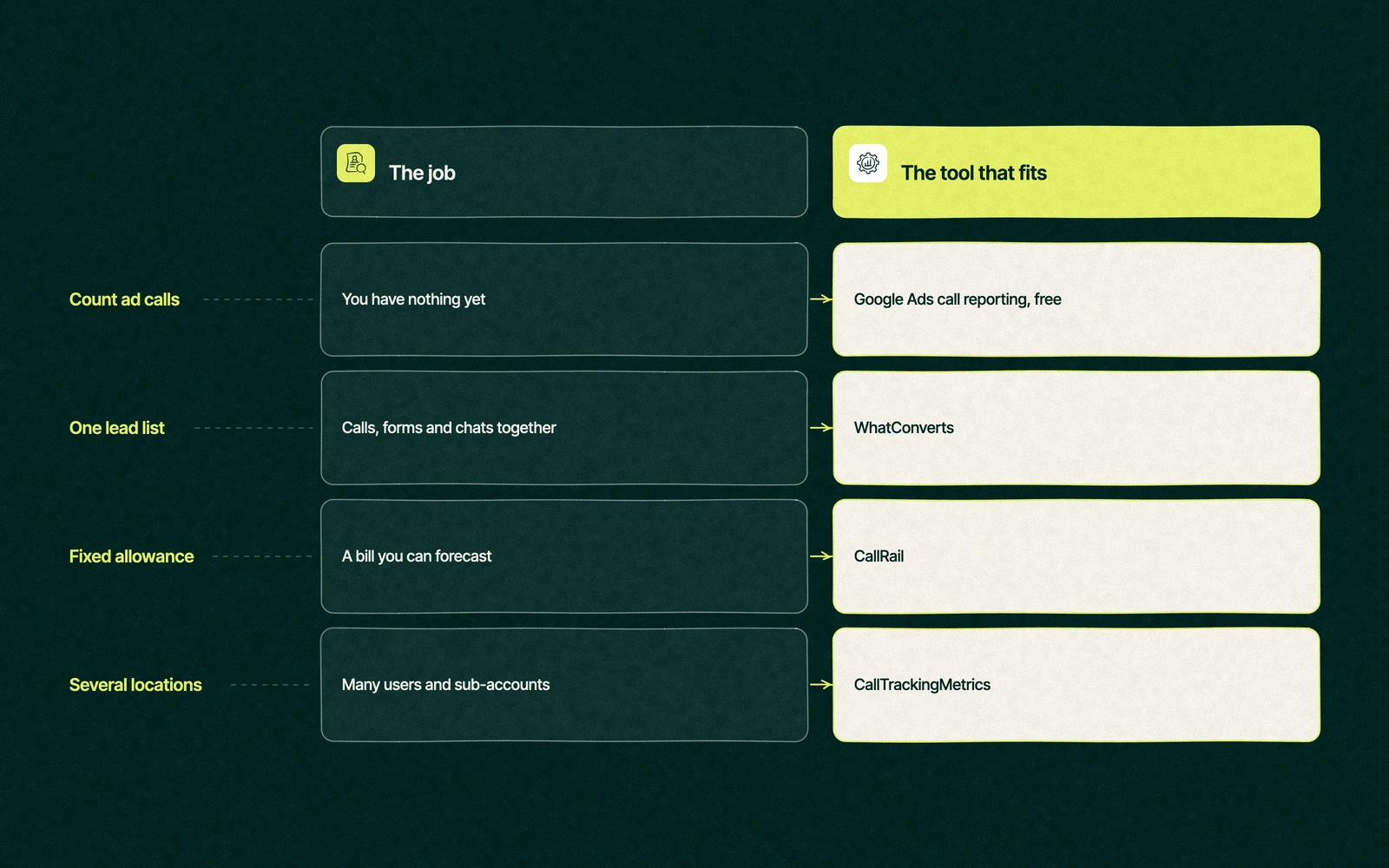
Most comparisons rank logos. A small business does better asking which job it needs done this year, then buying the cheapest tool that does it. Each price below comes from the tool's website as it stood on 27 November 2026, without tax or usage.
Tool and entry plan
List price
What the entry plan includes
Best at
Google Ads call reporting and call conversions
No subscription, you pay the usual cost per click when someone taps the number
Forwarding numbers on call assets and on your site for ad visitors, caller details for calls over 15 seconds
Counting calls from ads before you buy anything
WhatConverts Call Tracking
$30 a month, with Plus at $60 adding forms and chats
A $30 monthly usage credit, number insertion, campaign and keyword reporting
Calls, forms and chats in one lead list, with only qualified leads sent to Google Ads
CallRail Lead Tracking
$55 a month, or $50 a month billed yearly
5 local numbers, 250 minutes with transcription, call recording and routing
A fixed monthly allowance with routing built in
CallTrackingMetrics Marketing Lite
$79 a month, or $65 a month billed yearly
Unlimited users, 25 sub-accounts and a Google Ads integration, with numbers on volume pricing that isn't published
Several locations or brands under one login
The table only shows the floor. Each tool is good at something different once you're past it.
Google Ads on its own is the place to start if you have nothing. It costs nothing extra and fills in the calls from ads right away, but it can't see organic or offline calls and gives you no way to mark which ones turned into jobs.
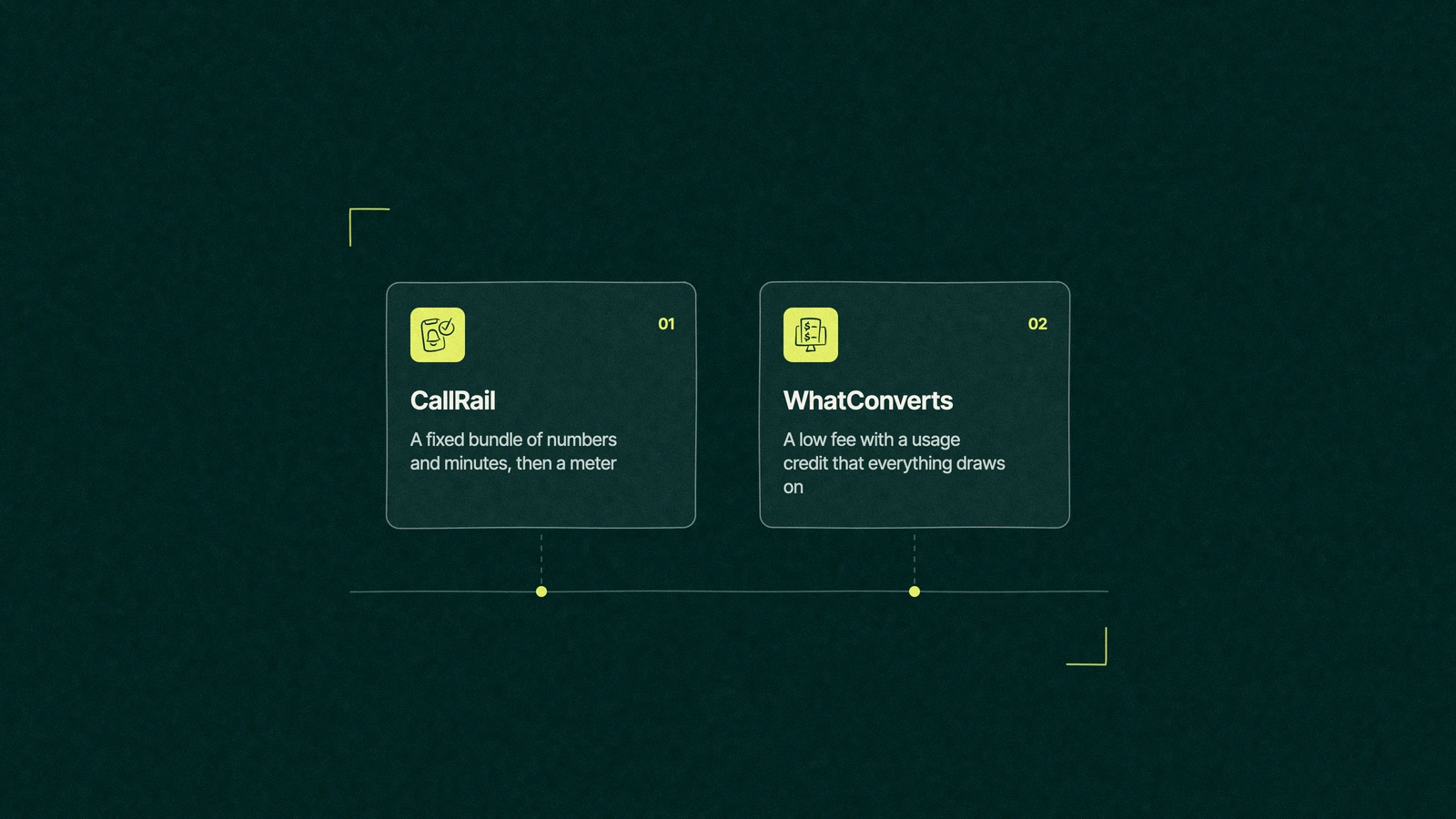
WhatConverts (partner link) runs on a low monthly fee plus a usage credit that pays for numbers, minutes and leads. It suits a team that wants every lead in one list and wants to send Google only the leads someone marked as a quote or a sale.
CallRail bundles a set allowance of numbers, minutes and texts into each plan, so the bill is easy to predict. Recording and routing come in the entry plan, and its Complete plans add 1,000 forms each month.
CallTrackingMetrics starts higher but includes unlimited users and sub-accounts from the first plan. That fits a company with several locations, or one that wants each brand kept separate under one bill.
WhatConverts and CallRail both offer a 14 day free trial, so run the one you lean toward against your own calls before you sign anything.
Call tracking for small business, Dale's month with numbers that talk
Call tracking for small business doesn't need much setup, and Dale's took an afternoon. He put the script on the website, let the tool give the site a pool of local 865 numbers and gave the yard signs and the door hangers one static number each, so the crews' signs stopped hiding inside the website count.
The first week was humbling. Seven of the first twenty calls were robocalls, a supplier and a man asking whether the company sold gutter guards, and every one of them counted as a conversion until Dale set a 60 second minimum and started marking the calls that became quotes by hand.
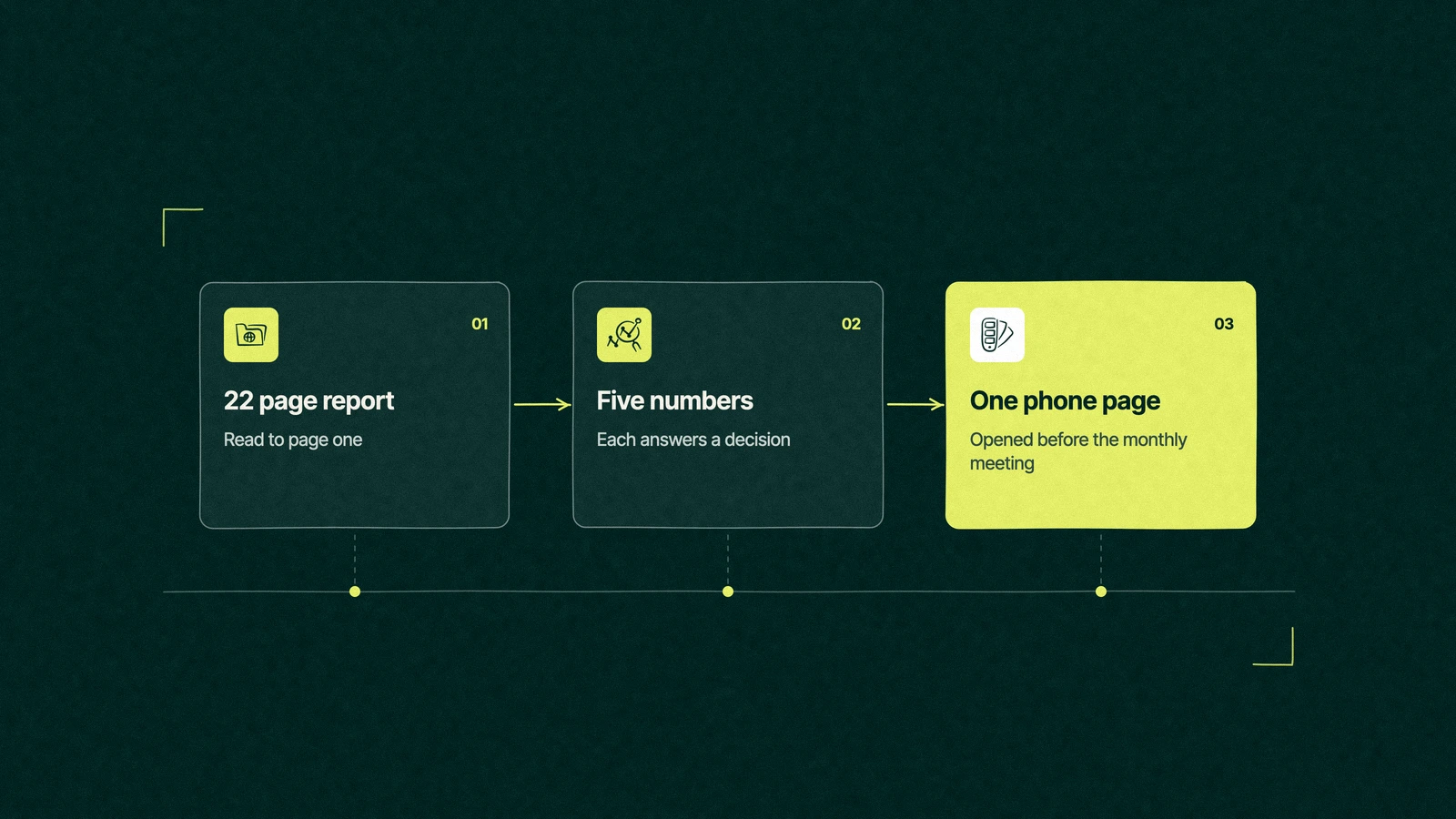
When the month closed, the picture was hard to miss. The ads had produced 51 leads, and 42 of them came by phone, mostly from the hail damage and roof leak ad groups, while the roof replacement cost ad group produced forms from people still shopping for a number.
Dale didn't argue with Carla about the budget after that. He printed the ad group report, circled the two ad groups that rang the phone and let her read it.
Lead tracking software, when calls, forms and chats need one list
Lead tracking software is call tracking with the other doors added. It records forms, chats and sometimes bookings or online orders with the same source data, so a homeowner who sends a form at night and calls at eight the next morning shows up as one lead from one ad.
That matters once results go back to Google, because two conversions for one customer teach the bidding to overpay for that kind of click.
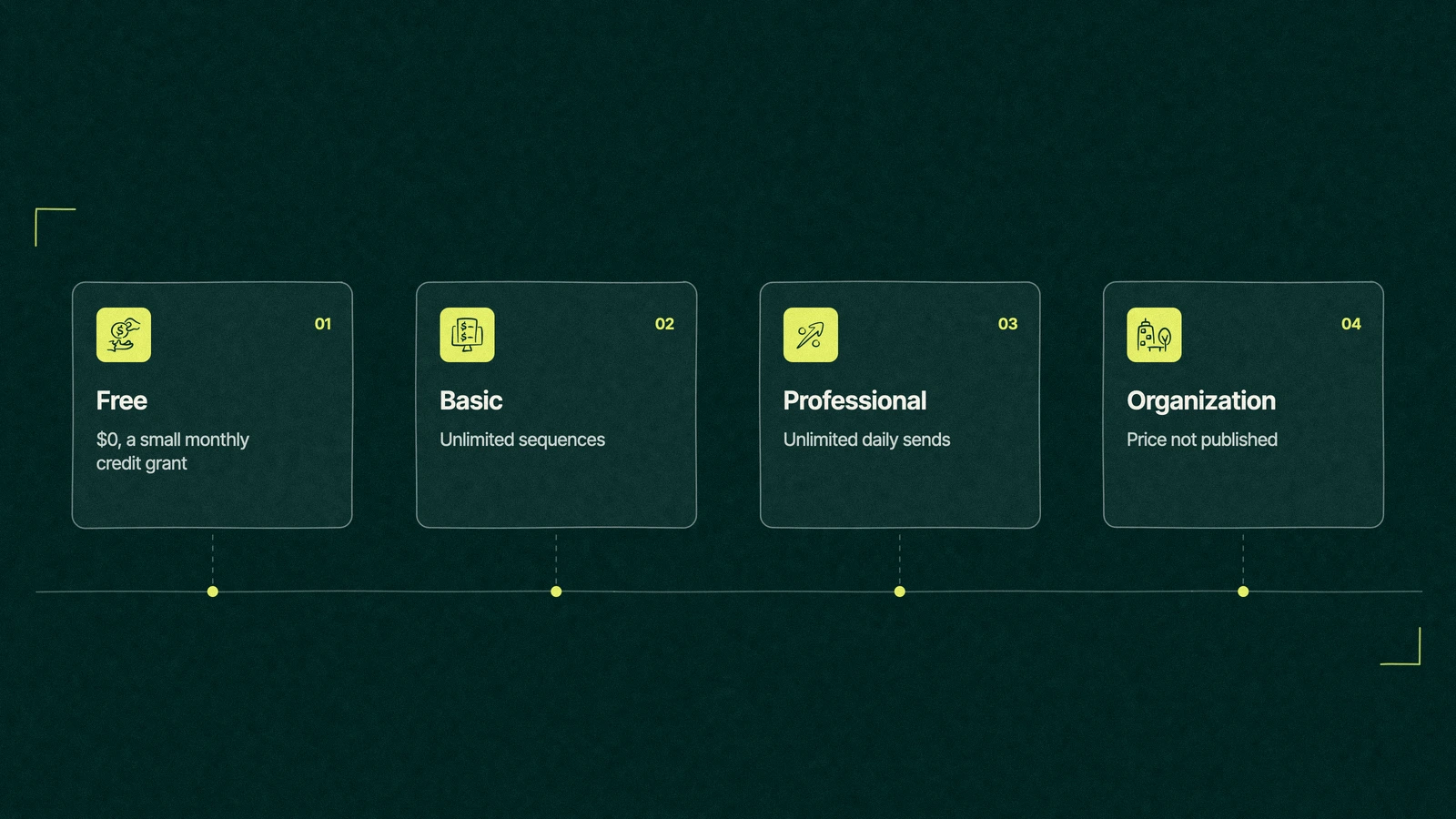
WhatConverts adds forms and chats from its Plus plan, CallRail adds forms on its Complete plans and CallTrackingMetrics lists form submissions from Marketing Pro up. Whichever you choose, the habit that pays is the same one Dale started in week one, which is marking each lead as quoted, booked or junk, so the tool can send Google only the ones worth more of.
If you already pay for a CRM, check whether the tool can push leads into it with their source attached. Our guide to how long Google Ads take to work explains why that feedback loop matters most in the first months of a campaign.
Call tracking for HVAC, roofing and plumbing, where a missed call costs a job
Call tracking for HVAC, roofing and plumbing earns its keep on the worst days of the year. A heat wave or a hail storm puts the phone over capacity in an hour, and the tool shows you which calls rang out, which went to voicemail and which ad paid for each one.
Three settings matter more for trades than for anyone else.
A whisper message, which plays a few words to your staff before the caller is connected, so whoever answers knows the call came from a storm ad and not from a past customer with a warranty question. WhatConverts lists one, so ask any other tool before you buy.
A daily look at missed calls, because a homeowner with water on the ceiling who reaches voicemail will try the next roofer on the list.
Recordings your office can learn from, after you check your state's consent rules for recording calls and tell callers when you need to.
Call tracking software, and the shop phone after the next storm
Carla kept the Google Ads budget at $9,400 for June. She moved most of it into the hail damage and roof leak ad groups, cut the roof replacement cost ad group to a trickle and asked Dale to send Google only the calls he had marked as a quote.
The second crew started in July anyway, paid for by jobs both of them could now trace to a search and a phone number.
When the next storm came through in late summer, Carla answered the shop phone herself. Before the caller said a word, a quiet recorded voice said storm ad in her ear, and she reached for the inspection clipboard before she said hello.
Our Google Ads agency team sets up call tracking, conversion import and the ad groups behind them, and our lead generation work picks up from there. Send us last month's ad report. We'll find the calls it never counted.
Trade You.
Your email for great content delivered to your inbox. Regularly. Unless we forget. Or get busy. But we'll try.
Thank you! Your submission has been received!
Oops! Something went wrong while submitting the form.
“
The first call felt like talking to someone who already understood our business. We didn’t have to explain the basics. They showed up with questions that mattered.
James L.
Director of Growth, HR tech
Client
FAQ
Frequently asked questions
What is the best call tracking software for a small business?
+
The best fit depends on the job. If you only need to count calls from ads, Google Ads call reporting costs nothing extra. If you want calls, forms and chats in one list, WhatConverts begins at $30 monthly. CallRail suits teams that want a fixed allowance and routing, and CallTrackingMetrics suits several locations under one login.
How does call tracking work with Google Ads?
+
A tracking tool saves the Google click ID from each ad visit and shows that visitor a tracking number. When they call, the tool matches the call to the click and sends it back to Google Ads as a conversion. Google can then see which campaigns, ad groups and keywords produced calls, and bid toward them over the following weeks.
Can Google Ads track phone calls for free?
+
Yes, within limits. Call reporting and website call conversions use Google forwarding numbers and come with the account, and Google charges the normal cost per click when someone taps the number. They only cover people who saw or clicked an ad, though, so calls from your map listing, organic search and yard signs stay out of the report.
How many tracking numbers does a small business need?
+
Start with one static number for each offline source you want to measure, such as signs, print or radio. Add a website pool large enough that each visitor gets a number of their own for a while, which your tool will size from your traffic. Most small companies begin smaller than they expect and add numbers once calls arrive.
What is the difference between call tracking and lead tracking software?
+
Call tracking measures phone calls only. Lead tracking software adds web forms, chats and sometimes bookings or orders, all tagged with the same source data, so one customer who fills in a form and then calls shows up once. For businesses that hear from customers several ways, lead tracking gives a truer count of what each ad produced.
Written by
The Leapyn team
Senior marketers who run strategy, creative and demand gen for B2B companies. We write about what’s working for our clients right now.