Apollo vs ZoomInfo for a small sales team, prices, data and how to test both
What Apollo and ZoomInfo cost on 27 November 2026, where each one wins and how a small team can test both on its own list before signing anything.
Lead generation
The Leapyn team
November 28, 2026
10 min read
In this post
toc
Ben Adeyemi spent a month putting off the Apollo vs ZoomInfo question, until a ZoomInfo rep emailed him an annual contract with a lower price that held only until the 30th. Ben runs a nine-person IT managed services company in Chattanooga, and his two sales reps were still copying plant managers' names off LinkedIn by hand, then guessing at email formats.
His business partner, Lorraine, read the quote over his shoulder and said the same money would pay most of a third tech, which the help desk had been asking for since spring. She wasn't wrong, and neither was the rep who said his team was wasting its mornings.
Ben let the deadline pass, ran a two-week test instead, and ended up with a decision neither of them had argued for.
One link in this post is a partner link, so Apollo may pay us if you sign up through it. We only list tools we've tested, and the commission never buys a better spot.
Apollo vs ZoomInfo, what is the difference?
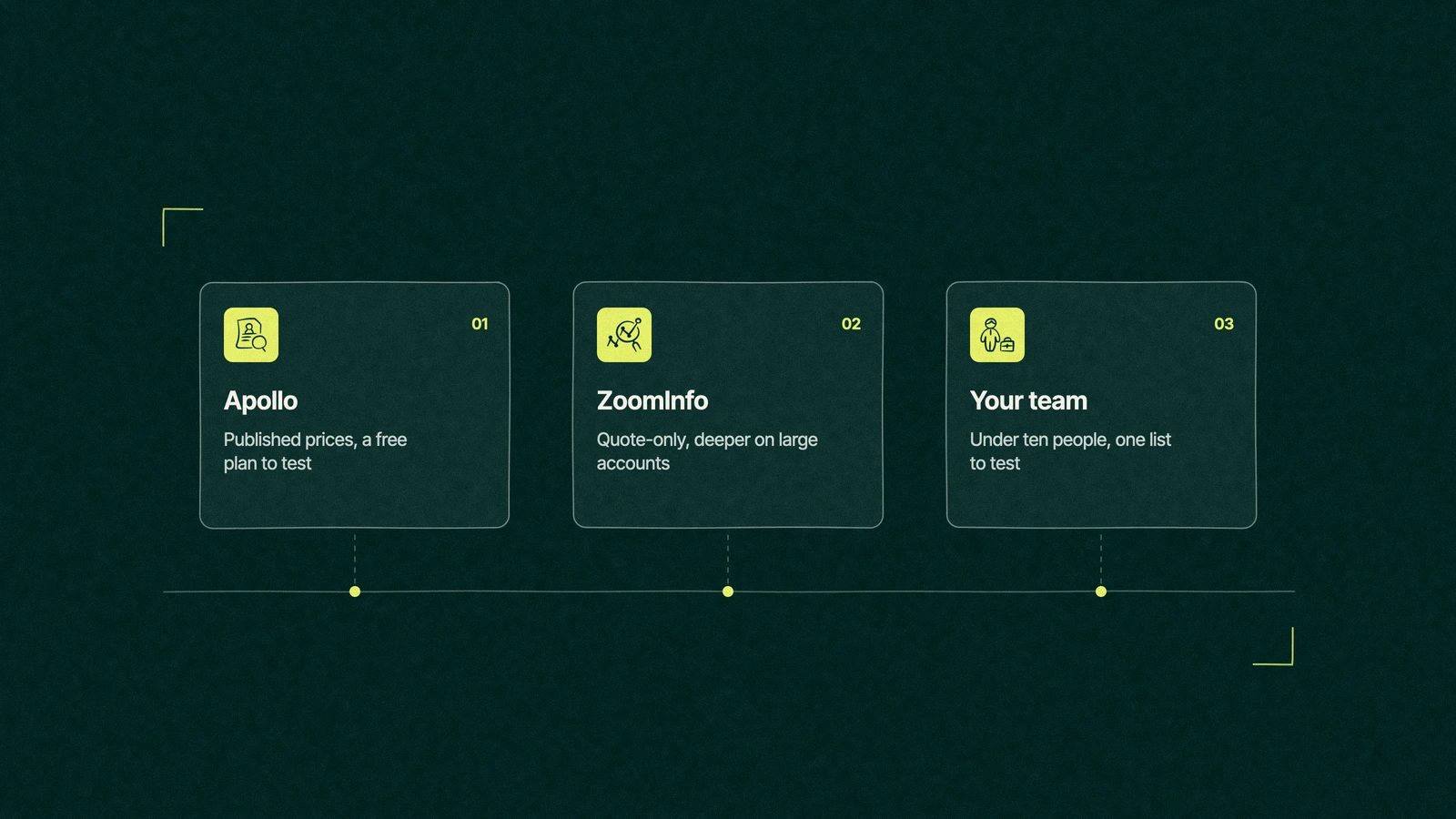
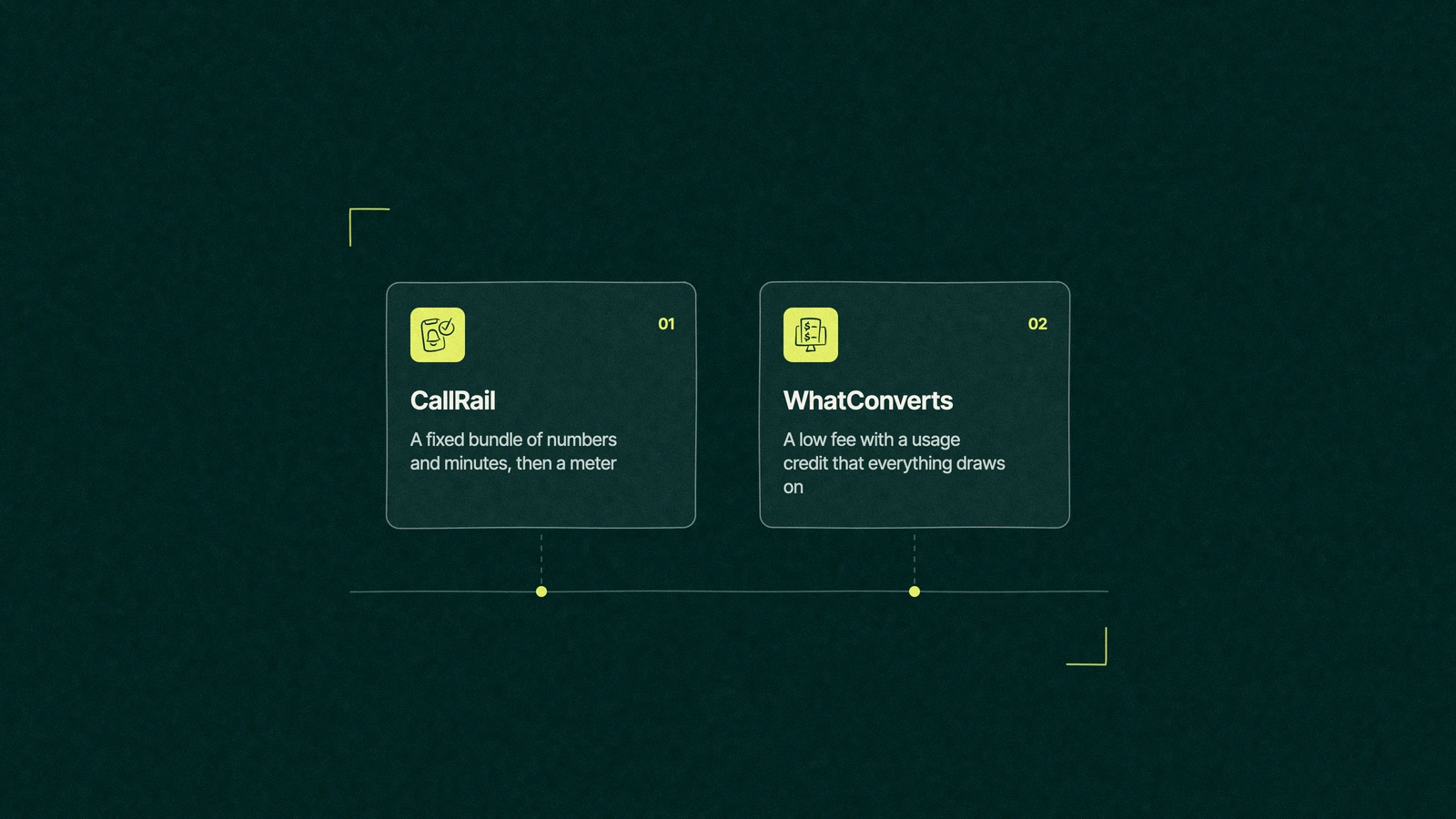
Apollo and ZoomInfo both sell contact and company data for prospecting. Apollo publishes its prices, starts with a free plan and builds email sequences and a dialer into the same account. ZoomInfo sells by quote, aims at larger sales and marketing teams and goes deeper on intent signals, company hierarchies and enterprise coverage.
For a team of two to ten sellers, the honest comparison is less about whose database is bigger and more about how many contacts you'll pull in a year, how often you call instead of email, and whether you can stomach an annual contract before you know the answer.
Both companies will tell you their data is the best. The only test that counts is how each one does on the accounts you sell to.
What a B2B contact database sells you
A B2B contact database is a search engine for people at companies. You filter by industry, headcount, location and job title, and the tool returns names with work emails, phone numbers and company details you can push into your CRM or a sequence.
You pay for access in credits. On 27 November 2026, Apollo (partner link) charged 1 credit for an email it can verify and 8 credits for a phone number, while ZoomInfo's pricing page said each export of a contact or company profile costs one credit, with the number of credits set in your package.
Coverage claims are each company's own. Apollo's homepage claims 240M+ contacts and 30M+ accounts. ZoomInfo's data page claims 500M+ verified contacts and 100M+ company records, and Lusha claims 515M+ verified contacts and 29M+ companies.
None of those totals tells you whether the plant manager at a 120-person machine shop in Dalton is in there with a working email. That's the only number Ben cared about, and it's the one no vendor page can give you.
Apollo vs ZoomInfo cost, published prices and a quote
Apollo lists its prices, and ZoomInfo does not. The figures below are list prices from each company's pricing page on 27 November 2026, before tax.
Tool and plan
List price
Credits
Worth knowing
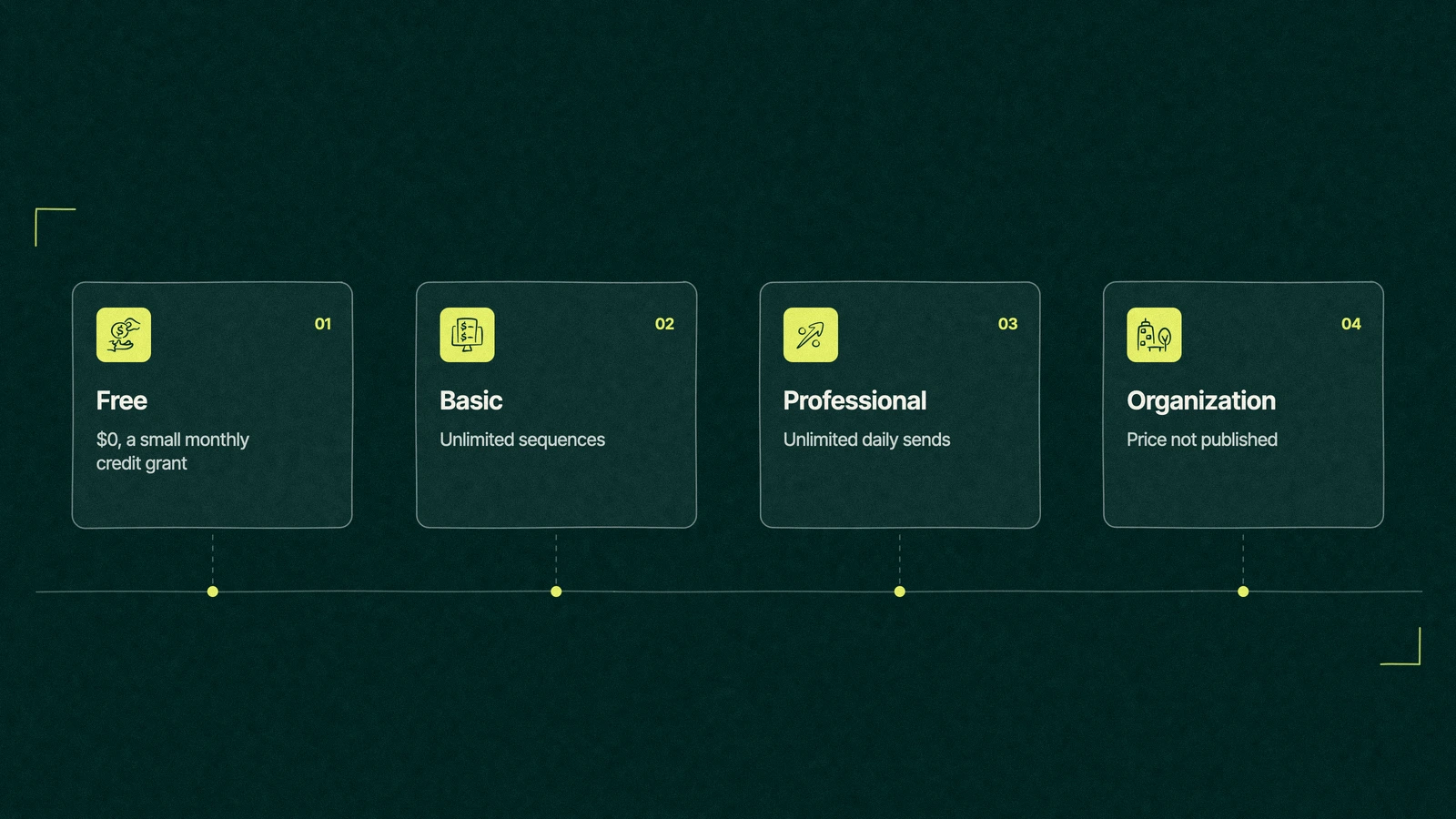
Apollo Free
$0
1,200 a year, granted monthly
2 sequences, 25 record selection limit, Gmail only
Apollo Basic
$49 a seat a month billed yearly, $59 billed monthly
30,000 a seat a year, or 2,500 a month on monthly billing
Unlimited sequences, CRM integrations, 250 sends a day
Apollo Professional
$79 a seat a month billed yearly, $99 billed monthly
48,000 a seat a year, or 4,000 a month on monthly billing
Unlimited daily sends, AI lead scoring, call recording
Apollo Organization
Not published
Custom
Yearly only, adds SSO and custom reports
ZoomInfo Professional, Copilot Advanced and Copilot Enterprise
Not published
Set in your package
Priced on features, licenses and credit usage
Lusha Free
$0
40 a month
1 seat
Lusha Starter
$37.45 a month billed yearly
4,800 a year
Price moves with a credit slider
ZoomInfo's page says its price depends on features, the number of licenses and credit usage, and that its sales team sets payment terms with you. Apollo's FAQ says credits are pooled across the team and expire at the end of each billing cycle, so a cheap plan you underuse still costs what it costs.
Ben's ZoomInfo quote was for two seats and a year of credits, paid up front. Two Apollo Basic seats on monthly billing came to $118 a month on the same day, which is the number Lorraine circled on the printed quote.
What ZoomInfo does better, before you shop ZoomInfo alternatives
A fair comparison names where the expensive tool earns its price. ZoomInfo's own plan pages and the AI Overview for this search point at the same strengths.
Depth on larger accounts. Its Copilot Advanced plan adds location and hierarchy data, which matters when you sell into a company with five plants and need to know which one signs.
Intent signals. Buyer intent topics and, on Enterprise, real-time intent are built around spotting companies researching your category before they call anyone.
Website visitor and account alerts. Champion tracking, job changes and breaking alerts suit a team working a fixed list of named accounts.
One data source for several teams. Sales, marketing and recruiting plans share one platform, which helps once a company has people in all three.
Phone-first selling. Comparisons that rank for this search keep crediting ZoomInfo with stronger direct dial coverage. Test that claim on your list before you pay for it.
If your reps live on the phone and sell to companies with org charts taller than yours, those strengths are worth a quote. If they mostly email owners and plant managers at companies of 50 to 300 people, you may be paying for a floor of the building you never visit.
How to test a B2B contact database on your own list
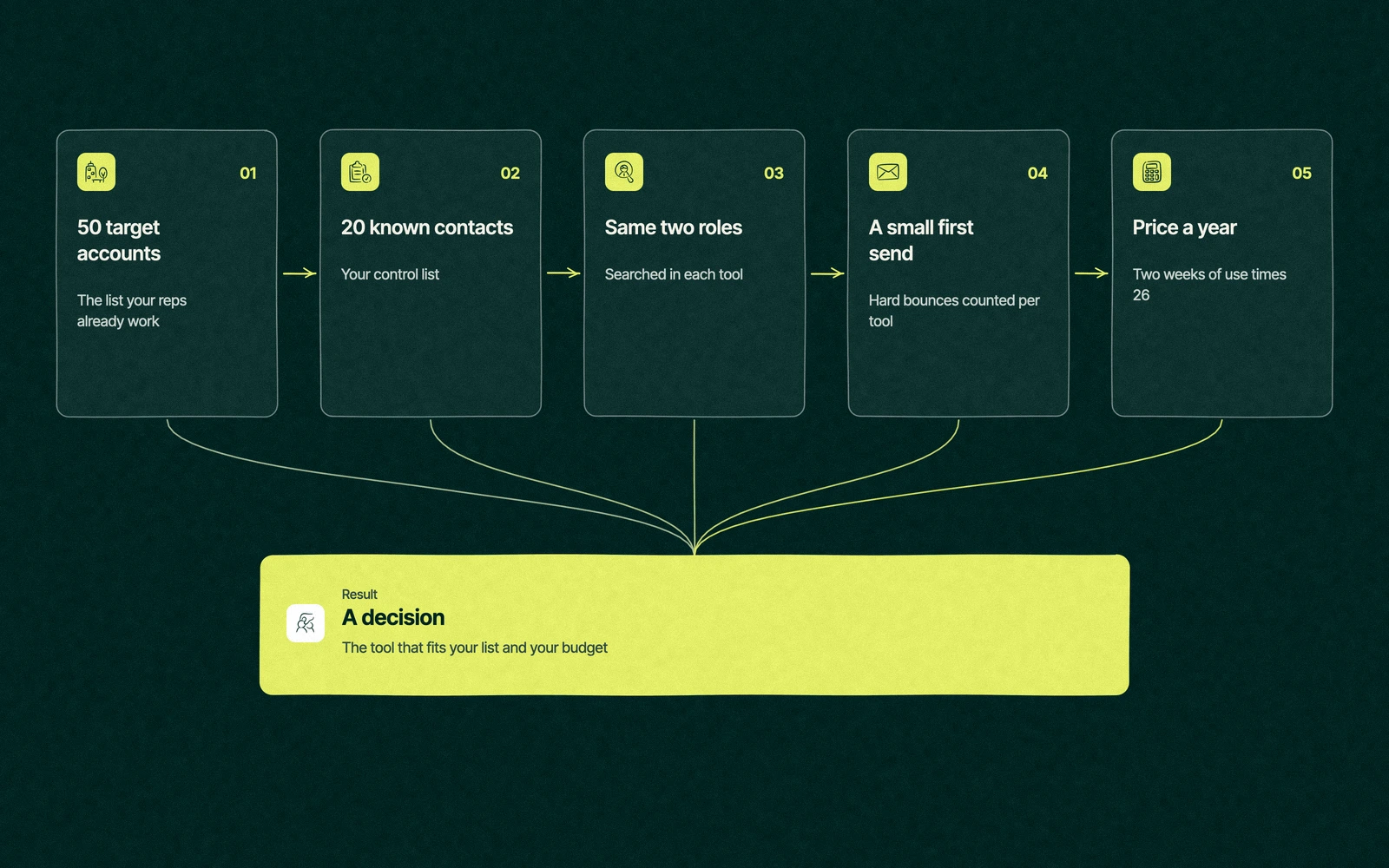
Ben's turn came from a rule he uses with clients who want new firewalls. Nobody buys anything until it has run on their own network for two weeks, so he built the same test for contact data.
Pick 50 target accounts. Use the list your reps already work. For Ben it was manufacturers with 50 to 300 employees within 100 miles of Chattanooga, pulled from the state's manufacturer directory and his reps' notes.
Add 20 contacts you already know. Take customers and past prospects whose email and phone you've confirmed yourself. They're your control list, because a database that gets them wrong will get strangers wrong too.
Search each tool for the same two roles per account. Ben used the plant manager and the owner or general manager. Record how many accounts return a named person in each role, and how many of those come with an email the tool marks as verified.
Send a small, personal first email from a warmed mailbox. Split the contacts evenly, send a few a day and count hard bounces for each tool. Keep volume low, since Google tells senders to keep spam rates under 0.3% and ideally under 0.1% in its email sender guidelines.
Price what you'd use in a year. Multiply the contacts and phone numbers you pulled in two weeks by 26, then compare that against each plan's credits and the quote.
Ben's control list settled most of it. Both trials found the owners of most of his 20 known accounts, ZoomInfo found more plant managers with direct dials, and his reps, it turned out, booked nearly every meeting by email and only called after a reply.
Apollo vs Lusha, and other Apollo.io alternatives
Apollo and ZoomInfo aren't the only two doors. Lusha sits between them on price and is often bought by reps who want a mobile number fast, from a browser extension, without a full outreach platform around it.
On 27 November 2026 Lusha's pricing page listed a free plan with 40 credits a month and one seat, and paid plans priced by a credit slider, starting with Starter at $37.45 a month billed yearly. Apollo vs Lusha comes down to whether you want data plus sequences in one place, which is Apollo's pitch, or a lighter data tool that feeds the CRM and email tool you already run.
Other Apollo.io alternatives come up in the same threads, from data tools built for European coverage to list builders that pull from several databases at once. Run every one of them through the same two-week test, because the vendor with the best demo isn't always the one that knows your plant managers.
Apollo vs ZoomInfo, who should buy which
Pick by how you sell, not by the size of the logo wall on the vendor's homepage.
Choose Apollo when you have under ten sellers, email first, want to start on a monthly plan and would rather keep sequences and data in one account. Choose ZoomInfo when you sell into large companies with several sites, lean on cold calls, need intent signals for a named account list or have marketing and recruiting teams who'll use the same data.
Choose neither yet if you can't name your 50 target accounts. A database speeds up a list you already understand, and it won't tell you who your customer is.
Apollo vs ZoomInfo in Chattanooga, two weeks later
Ben bought two Apollo Basic seats on monthly billing and told the ZoomInfo rep the truth, that phone depth mattered less to his team than he'd assumed and he'd look again when they hired someone to cold call. The rep took it well and put a reminder in for spring.
Lorraine got her third tech in January. The reps stopped copying names by hand, and their first sequence went to the 50 test accounts, with the bounces from the test already scrubbed out.
The legal pad they'd used for LinkedIn names went into the drawer under the label maker, with half a page still blank.
Our lead generation agency team builds target lists, sequences and the email automation behind them. Send us the accounts you wish you were talking to. We'll show you who to reach at each one and what to say first.
Trade You.
Your email for great content delivered to your inbox. Regularly. Unless we forget. Or get busy. But we'll try.
Thank you! Your submission has been received!
Oops! Something went wrong while submitting the form.
“
The first call felt like talking to someone who already understood our business. We didn’t have to explain the basics. They showed up with questions that mattered.
James L.
Director of Growth, HR tech
Client
FAQ
Frequently asked questions
Is Apollo better than ZoomInfo for a small team?
+
For most teams under ten sellers who email first, Apollo is the easier start, because it publishes prices, offers monthly billing and includes sequences in the same account. ZoomInfo earns its quote when you sell into large companies with several sites, call more than you email or need intent signals. Test both on 50 of your own accounts before you sign anything yearly.
How much does ZoomInfo cost per year?
+
ZoomInfo doesn't publish prices. Its pricing page on 27 November 2026 said cost depends on features, the number of licenses and credit usage, and that its sales team sets payment options. Ask the rep for the price per seat, the credits included, what happens to unused credits and the renewal terms, and get all four in writing before the deadline they give you.
What are the best ZoomInfo alternatives?
+
Apollo and Lusha are the two most named for smaller teams, since both publish prices and have free plans. Other databases and list builders come up too, each with a different angle on coverage. The best one depends on your list, so run the same two-week test on each, counting matched contacts, verified emails and bounces on accounts you already know.
Apollo vs ZoomInfo, which has more accurate data?
+
Each company claims strong accuracy, and neither number tells you about your market. Accuracy varies by industry, region and company size, so a database that's excellent on software firms can be thin on regional manufacturers. Take 20 contacts you've confirmed yourself, look them up in both tools and count how many each one gets right. That beats any published benchmark.
Can you try ZoomInfo or Apollo before buying?
+
Yes, both offer a way in. Apollo has a free plan and a 14-day trial on its paid plans, with 100 trial credits listed on 27 November 2026. ZoomInfo's pricing page shows free trial buttons on its sales plans. Plan your test before starting either trial, so the credits go on your target accounts and known contacts instead of curiosity searches.
Written by
The Leapyn team
Senior marketers who run strategy, creative and demand gen for B2B companies. We write about what’s working for our clients right now.